
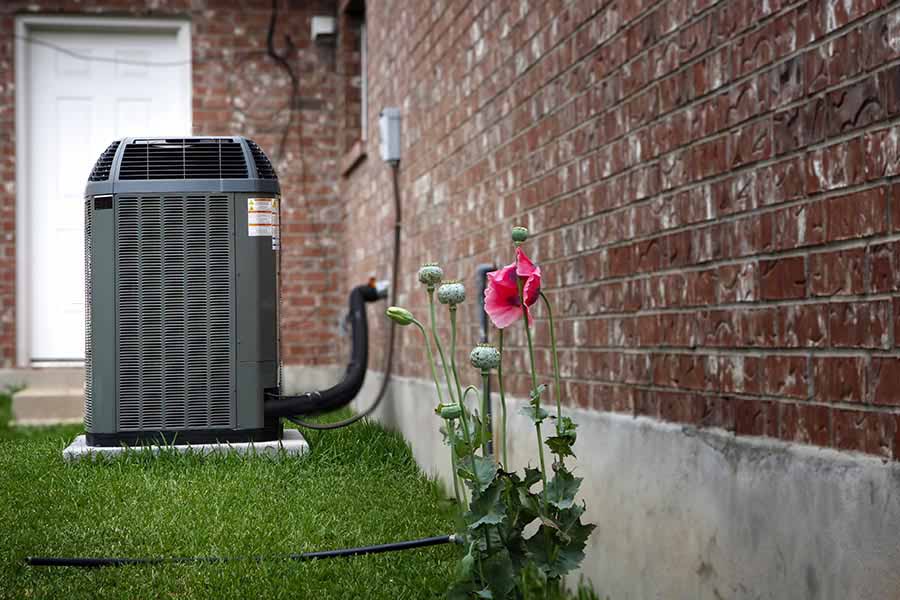
Heat pump not working right in Wildwood, MO? The culprit is often one of five common issues — and most are easy fixes when caught early. Insufficient refrigerant levels, dirty air filters, or a faulty thermostat could all be at play. Even electrical problems or frozen coils can disrupt your system’s efficiency. Understanding these factors is essential for effective troubleshooting, and a heat pump repair professional is ready to help when a fix goes beyond DIY. So, what should you look out for to guarantee your heat pump runs smoothly?
Key Points
- Insufficient refrigerant, often from a leak, keeps a heat pump from heating or cooling properly.
- Dirty air filters restrict airflow and force the system to work harder, raising energy bills.
- A faulty thermostat can cause inaccurate readings, unresponsive controls, or short cycling.
- Electrical issues like tripped breakers or faulty wiring can stop a heat pump from running altogether.
- Frozen coils are usually caused by low airflow, low refrigerant, or extreme cold.
- Professional service at least once a year catches most of these problems before they cause a full breakdown.
Insufficient Refrigerant Levels
One common issue you might encounter with your heat pump in Wildwood, MO, is insufficient refrigerant levels.
When your system lacks refrigerant, it can’t effectively absorb and release heat, leading to inadequate heating or cooling. You may notice fluctuating temperatures or a complete lack of comfort in your home.
Low refrigerant levels often stem from leaks in the system.
It’s vital to address these leaks promptly, as they can cause further damage and lead to costly repairs. If you suspect your heat pump is low on refrigerant, don’t hesitate to call a professional. They’ll not only recharge the system but also identify and fix the source of the leak. Additionally, professionals can provide reliable heat pump repair services to ensure your heating system runs efficiently.
Dirty Air Filters
A common culprit behind heat pump issues in Wildwood, MO, is dirty air filters. When your filters get clogged with dust and debris, airflow decreases, forcing your heat pump to work harder. This can lead to increased energy bills and unnecessary wear on your system.
You might notice uneven heating or cooling, or even strange noises as your heat pump struggles to maintain a comfortable temperature. Regular maintenance helps to identify small issues early before they become major problems.
To avoid these problems, it’s crucial to check and replace your air filters regularly — ideally every one to three months, depending on usage and the presence of pets. Keeping your filters clean not only improves efficiency but also helps maintain better indoor air quality.
If you’re unsure how to do this or need assistance, feel free to reach out to Saylors Systems Heating and Air. We’re here to help you keep your heat pump running smoothly and efficiently!
Faulty Thermostat
When your heat pump isn’t performing as expected, a faulty thermostat might be the issue.
It’s the brain of your heating system, and if it’s not working correctly, you’ll feel the effects.
Here are three signs your thermostat might need attention:
- Inaccurate Temperature Readings: If the temperature on your thermostat doesn’t match the actual room temperature, it’s time to investigate.
- Unresponsive Controls: When you adjust the settings but nothing happens, your thermostat could be malfunctioning.
- Frequent Cycling: If your heat pump turns on and off too often, a faulty thermostat may be misreading the room’s temperature.
Addressing these issues promptly can save you from further complications.
If you suspect your thermostat is the culprit, don’t hesitate to call a professional, as they can provide dependable repair and help you diagnose and resolve the problem, ensuring your heat pump runs smoothly again.
Electrical Issues
Have you noticed your heat pump acting erratically? Electrical issues might be the culprit. Problems like tripped breakers, blown fuses, or faulty wiring can disrupt your system’s performance.
If your heat pump suddenly stops running or cycles on and off repeatedly, it’s time to investigate. Start by checking your circuit breaker. A tripped breaker can cut off power, leaving your heat pump inoperable. If it keeps tripping, you might have an underlying issue that needs attention.
Blown fuses are another common problem; replacing them can sometimes do the trick. Faulty wiring can also lead to significant problems. If you notice frayed wires or burnt connections, it’s essential to call in a professional. Local HVAC professionals can provide thorough inspections to identify and resolve these electrical issues effectively.
Ignoring electrical issues can lead to more extensive damage or even pose safety risks. Address these concerns promptly to keep your heat pump running smoothly.
Frozen Coils
If your heat pump is blowing cold air or not heating your home effectively, frozen coils could be the issue.
When the coils freeze, they can’t transfer heat properly, leading to inefficiency and discomfort.
Here are three common causes of frozen coils:
- Insufficient Airflow: Clogged filters or blocked vents can restrict airflow, causing the coils to freeze.
- Low Refrigerant Levels: If your system is low on refrigerant due to leaks, it can lead to temperature imbalances and frozen coils.
- Cold Outdoor Temperatures: In extreme cold, your heat pump may struggle to extract heat, resulting in ice formation.
To resolve the problem, check your filters and vents first, then consider calling a professional to inspect your refrigerant levels.
Don’t let frozen coils leave you in the cold — stay proactive and keep your heat pump running smoothly!
How Often Should You Service Your Heat Pump?
Most of the issues above are far less likely to happen with regular upkeep. The U.S. Department of Energy recommends having a professional technician service your heat pump at least once a year, and notes that the difference in energy use between a well-maintained heat pump and a neglected one can range from 10% to 25% (Energy.gov). A yearly tune-up typically covers refrigerant levels, airflow, electrical connections, and thermostat calibration — the same components behind most of the problems covered above. Ask about a heat pump maintenance plan to stay ahead of these issues before they interrupt your comfort.

Keep Your Heat Pump Running Smoothly in Wildwood, MO
So, if your heat pump’s acting more like a fridge than a heater, don’t just sit there in your parka! Check those refrigerant levels, swap out those filters, and give your thermostat a little TLC. And if you’re still in a frosty standoff with your system, it might be time to call in the pros — whether that means a repair or exploring heat pump installation and replacement. Remember, ignoring these issues won’t make them disappear — kind of like that leftover fruitcake from last Christmas!
Frequently Asked Questions
How do I know if my heat pump needs a repair or a full replacement? Frequent breakdowns, rising energy bills, or a system over 10-15 years old are signs it may be more cost-effective to replace rather than keep repairing. A technician can assess your specific system and give you an honest recommendation.
Why is my heat pump running but not heating my home? This is often caused by low refrigerant, a dirty filter restricting airflow, or a thermostat that isn’t communicating correctly with the system. Frozen coils can also make the unit run without producing warm air.
Can I fix a frozen heat pump coil myself? You can turn off the system and let the ice melt, then check and replace dirty filters or clear blocked vents. If the coil freezes again shortly after, the cause is likely low refrigerant or an airflow problem that needs a professional diagnosis.
How often should I change my heat pump’s air filter? Most manufacturers recommend every one to three months, though homes with pets or higher dust levels may need more frequent changes to keep airflow and efficiency where they should be.
Is it normal for a heat pump to cycle on and off frequently? No. Frequent cycling usually points to a thermostat issue, an oversized unit, or an airflow restriction. If you notice this happening, it’s worth contacting Saylors Systems for a diagnosis before the issue causes more wear on the system.