



AC Capacitor Replacement in Wildwood, MO
- Expert, Certified Technicians
- Customer Focused, People First
- Locally Owned
- Family-Operated
- Expert, Certified Technicians
- Customer Focused, People First
- Locally Owned
- Family-Operated
When your air conditioner starts acting up on a hot Missouri summer day, a failing capacitor is often the culprit. At Saylors Systems Heating and Air, we help homeowners in Wildwood and across the St. Louis area get their systems back up and running fast with honest, straightforward service you can count on.
our services
Contact Us
What Your Neighbors Are Saying About Us
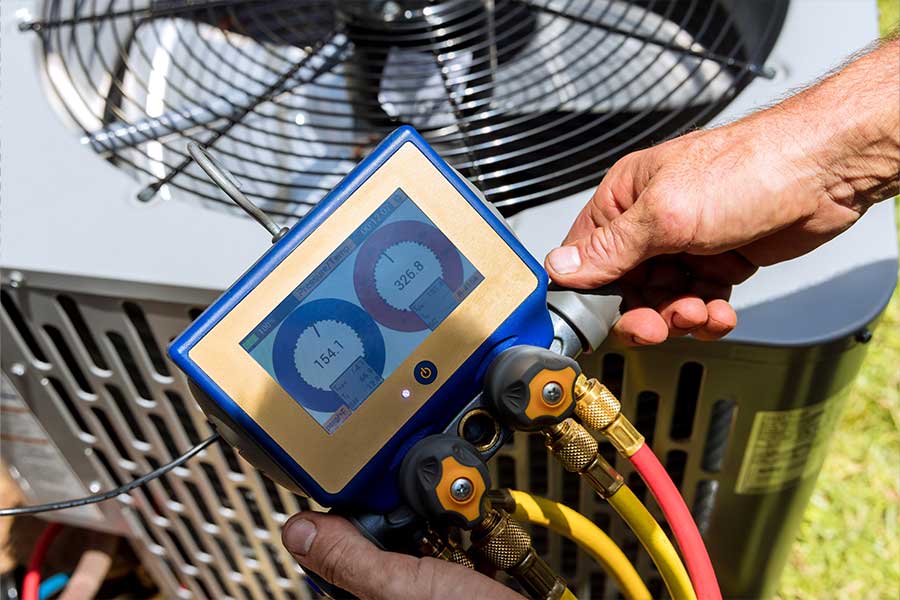
What Is an AC Capacitor and What Does It Do
A capacitor is a small but important component inside your air conditioning system. It stores and releases electrical energy to power the motors that run your AC, including the compressor, blower motor, and condenser fan motor.
Think of it like a battery that gives your system the jolt it needs to start up and keeps it running smoothly throughout a cooling cycle. Without a properly functioning capacitor, your AC simply cannot do its job, no matter how good the rest of the system is.
There are two main types of capacitors you will find in a residential AC unit. A start capacitor gives the motor the initial burst of energy it needs to get going, while a run capacitor keeps the motor running efficiently once it is up to speed. Some systems use a dual-run capacitor that handles both functions in a single unit.
How to Tell If Your AC Capacitor Is Going Out
Capacitor problems tend to show up in ways hard to ignore, especially as temperatures climb. Here are some of the most common signs that your capacitor may need to be replaced:
- Your AC is humming but not actually turning on, which often means the capacitor is failing to provide enough power to start the system.
- The system takes longer than usual to kick on, or it starts and stops more frequently than normal.
- Warm air is coming from your vents even though the thermostat is set correctly.
- You notice a higher-than-normal energy bill, which can happen when a weak capacitor forces your system to work harder than it should.
- Your outdoor unit shuts off on its own shortly after starting up.
- You can see visible damage to the capacitor during a maintenance visit, such as a swollen or leaking casing.
In Wildwood and the surrounding area, summers bring heat and humidity that put serious stress on cooling systems. That extra workload can shorten a capacitor’s lifespan faster than many homeowners expect, which is why catching the warning signs early matters.
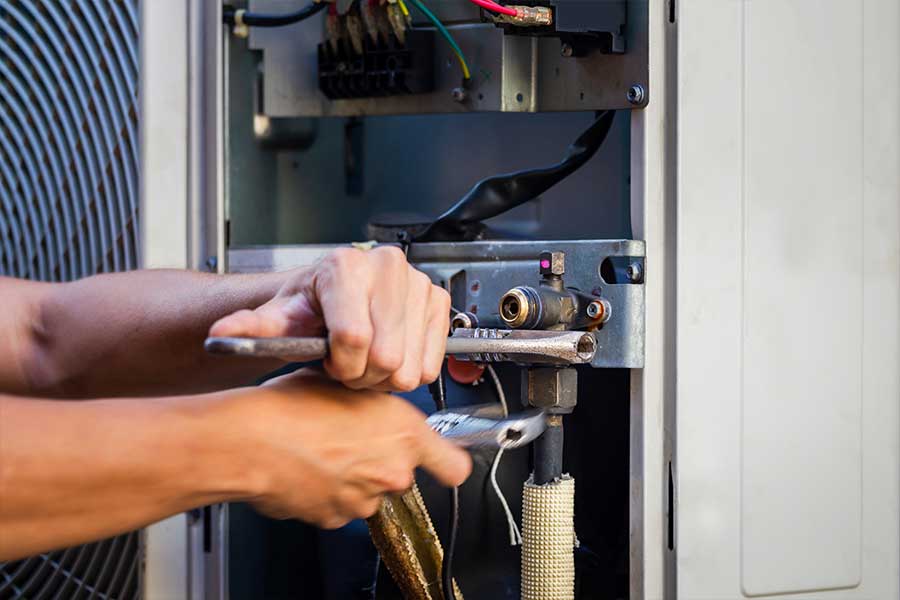
What Causes AC Capacitors to Fail
Capacitors do not last forever, and several factors can accelerate their failure. Understanding what causes them to fail can help you take better care of your system overall.
- Heat exposure is one of the leading causes of capacitor failure. When an AC unit sits in direct sunlight or runs in extremely high temperatures, the capacitor can overheat and break down over time.
- Power surges and voltage fluctuations can damage a capacitor’s internal components, especially during thunderstorms, which are common in the St. Louis area throughout the summer months.
- Age and normal wear are unavoidable. Most capacitors have a lifespan of around 10 to 20 years, and systems that run frequently during long cooling seasons will naturally wear components down faster.
- Dirt and debris buildup around the unit can restrict airflow and cause the system to overheat, putting added stress on the capacitor.
- Oversized or undersized systems that are not properly matched to the home can also cause capacitors to work harder than they are designed to, leading to earlier failure.
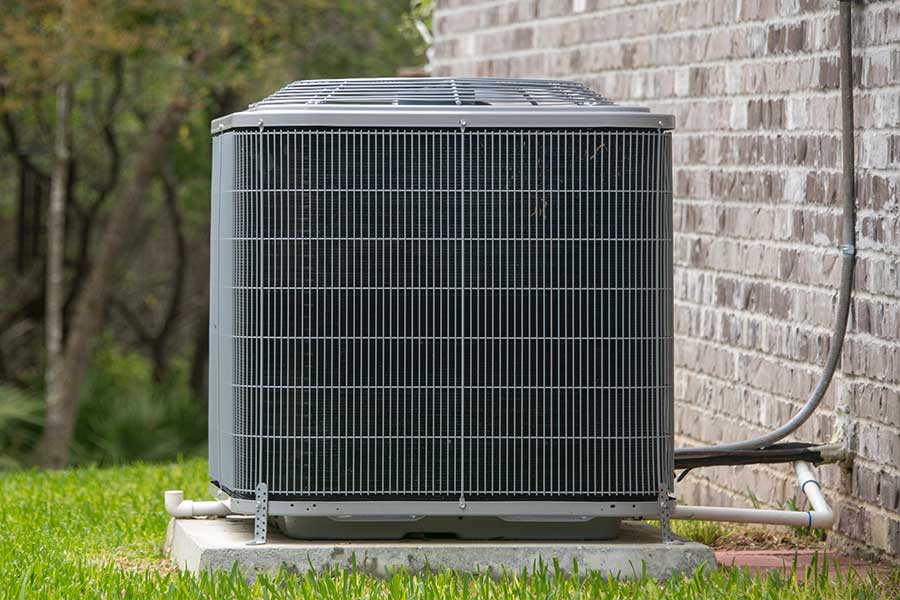
How AC Capacitor Replacement Works
Replacing a capacitor is one of the more straightforward AC repairs, but it is not a job for a homeowner with no electrical experience. Capacitors store electrical charge even after the system has been powered off, which means they must be handled carefully by a trained technician.
When you call Saylor’s Systems, here is what you can expect from the process. Our technician will start by inspecting your system to confirm the capacitor is the source of the problem. Once the issue is confirmed, we will safely discharge and remove the old capacitor before installing a properly matched replacement. We use high-quality parts compatible with your specific system and test everything before we leave to ensure your AC is running the way it should.
The whole process is typically completed in a single visit, so you are not left waiting around in the heat while we track down parts or schedule a return trip.
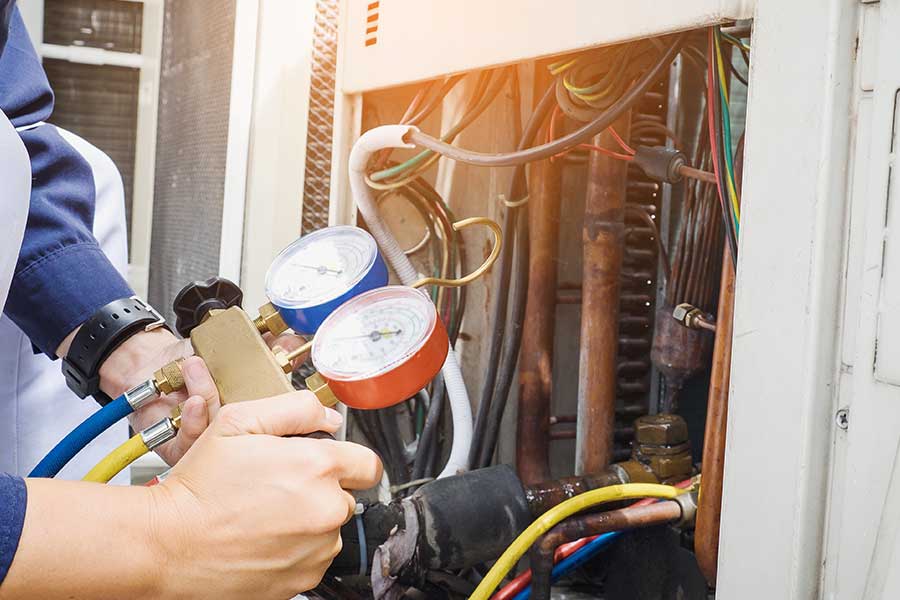
Why Homeowners in Wildwood Trust Saylors Systems Heating and Air
Saylors Systems Heating and Air is a husband-and-wife-owned business built right here in the St. Louis area. Austin and Danielle Saylors started this company in 2021 with the belief that great HVAC service should feel personal, not transactional. Austin brings nearly two decades of hands-on experience to every job, and our team of six carries that same commitment to doing things right.
When you call us, you won’t get confusing jargon or a pushy sales pitch. You are going to get a straight answer, a fair price, and a technician who actually cares about your home. We are invested in this community because we live and work here too, and that makes a difference in how we show up for our customers every single day.
Frequently Asked Questions
How long does an AC capacitor last?
Most capacitors last between 10 and 20 years, though heat, humidity, and heavy use common in Missouri summers can shorten that lifespan.
Can I replace an AC capacitor myself?
It is not recommended. Capacitors hold an electrical charge even when the unit is off and can cause serious injury if mishandled. This repair is best left to a licensed technician.
How much does an AC capacitor replacement cost?
Costs vary depending on the type of capacitor and your specific system. We provide straightforward pricing before any work begins, so you know exactly what to expect.
Will a bad capacitor damage other parts of my AC?
Yes, it can. A failing capacitor puts added stress on the compressor and motors, which can lead to more costly repairs if the problem is not addressed promptly.
How do I know if it is the capacitor or a different AC problem?
A trained technician can diagnose the issue quickly with the right tools. Some symptoms of a bad capacitor overlap with other problems, so a proper inspection is the best way to confirm.
