


Valley Park sits in a bend of the Meramec River, and its history is closely tied to the water. The levee that now protects much of town was built after years of repeated flooding, and plenty of local homes still carry reminders of those high-water years. Even with the levee in place, the low-lying ground and river humidity keep basements damp, and damp basements are hard on furnaces.
Saylors Systems Heating and Air offers furnace repair in Valley Park, MO with a practical, honest approach. We are a family-owned company from Eureka, a few miles west along the Meramec, and we understand the challenges of river-town homes.
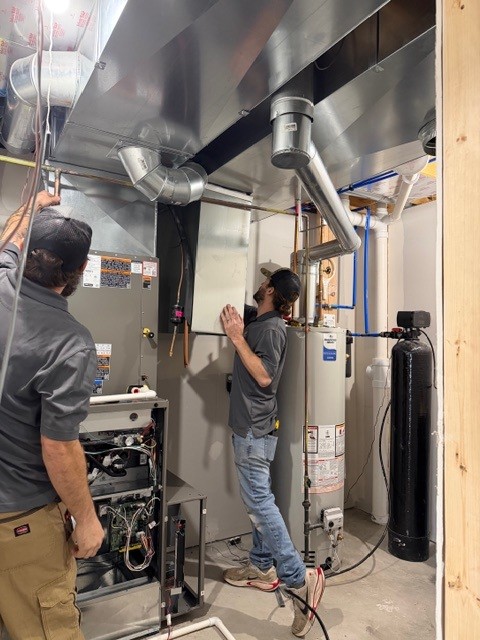
Moisture shows up on furnaces in ways that are easy to miss. Here are the signs we see most often in Valley Park.
Spotting moisture-related problems early can add years to your furnace’s life.
Moisture is the common thread in most Valley Park furnace repairs. Water vapor settles on cold metal surfaces in the basement, and over time it corrodes wiring terminals, control boards, and gas valve connections. Intermittent problems, where a furnace works one day and not the next, are often a sign of corroded connections.
Many homes here have sump pumps running near the furnace, and the area around them stays especially humid. Some furnaces also sit directly on basement floors that occasionally get wet, which rusts out the bottom of the cabinet and the blower housing.
Older homes in Valley Park often have smaller basements and older ductwork as well. Combined with moisture, that can mean mold or mildew in the ducts and a musty smell whenever the heat runs.
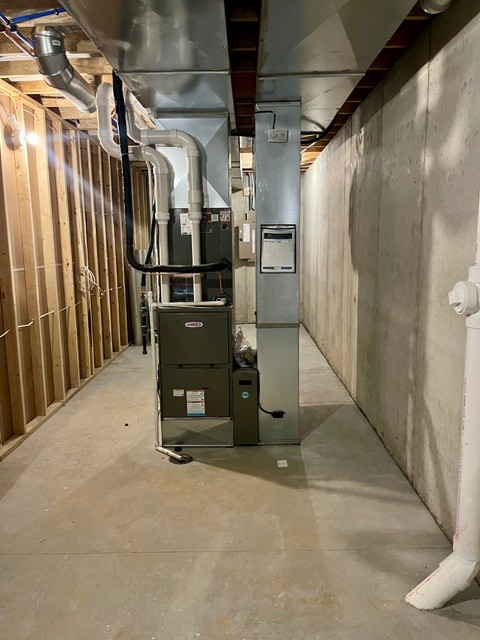
We start by looking at the furnace and its surroundings, including where it sits, how close it is to the sump pump, and whether the floor shows signs of past water. Our technician then tests ignition, controls, gas parts, and airflow, checking connections closely for corrosion.
We explain what we find in everyday language and give you honest options. If moisture is causing repeat problems, we will share practical ways to protect your furnace, like raising it off the floor or adding a dehumidifier.
Every repair ends with a full heating cycle and a safety check. We want your furnace working reliably, not just for today but for the rest of the season.
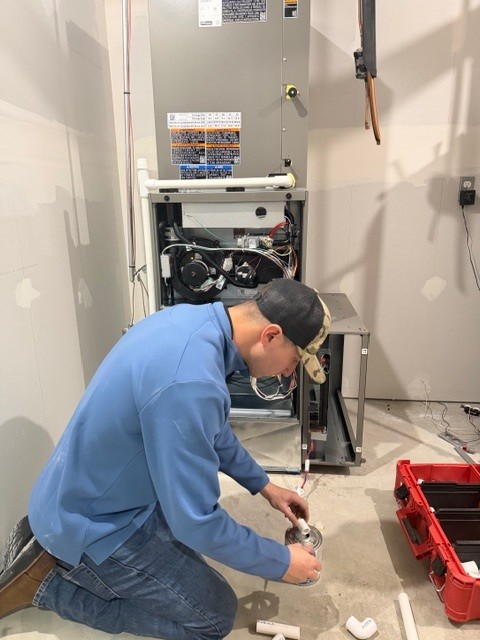
Sarah called us in late December because her furnace kept cutting out at random. Some days it ran perfectly, and other days it would stop heating for hours. Her Valley Park home sits in the lower part of town, and the furnace shared a corner of the basement with the sump pump.
Our tech found green corrosion on several wiring terminals on the control board and on the connector to the inducer motor. The connections were making contact sometimes and not others, which explained the on-again, off-again behavior. The bottom of the furnace cabinet also showed rust from years of humid air.
He cleaned and replaced the corroded terminals and tested each connection carefully. The furnace ran through multiple cycles without a hitch. He also suggested a dehumidifier for that corner of the basement and a simple stand to lift the furnace off the floor.
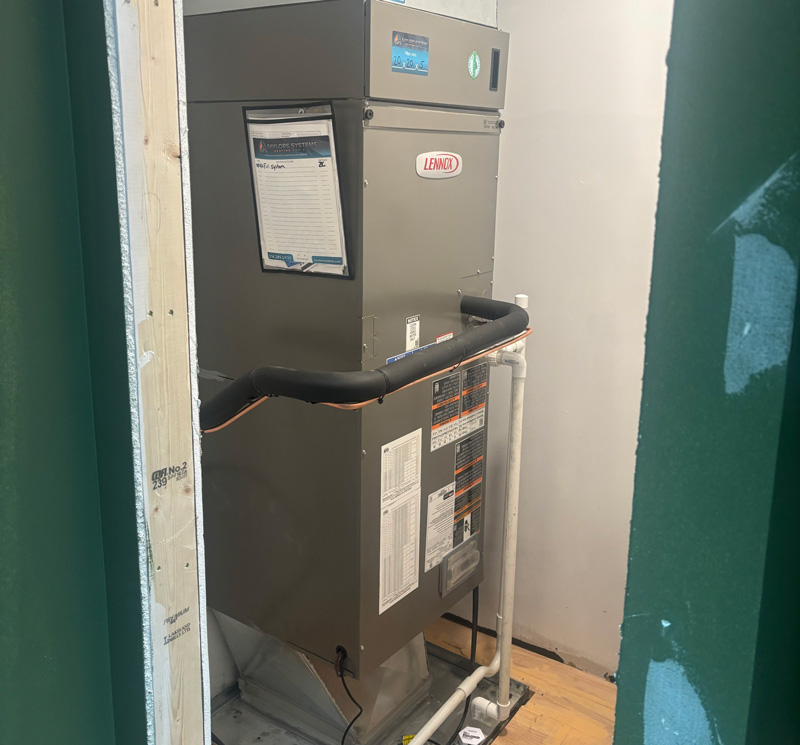
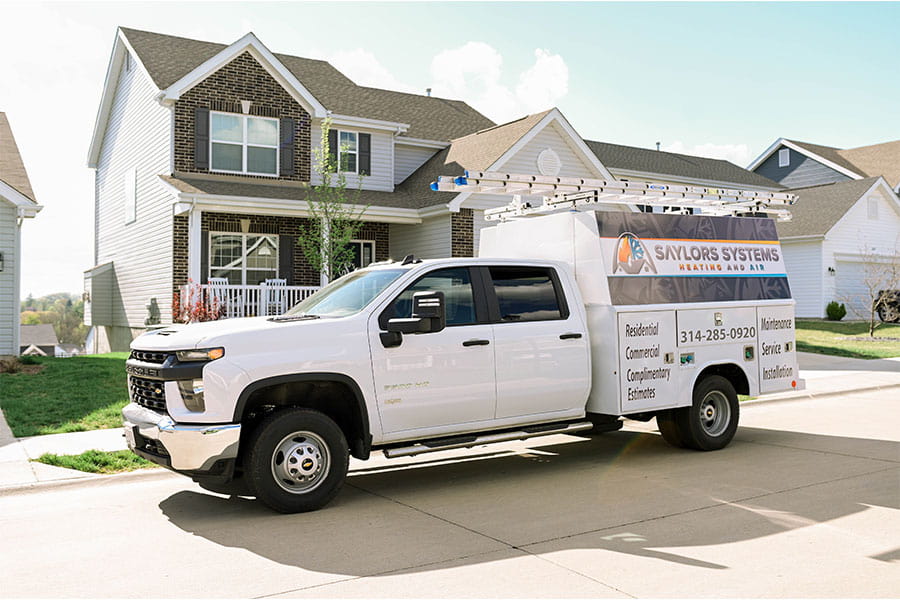
We believe good service starts with honesty and care. Valley Park homeowners get both every time we visit.
When your furnace needs attention, give us a call and we will get you warm again.
Corroded wiring or loose connections are a common cause, especially in damp basements.
Yes. The area around a sump pump often stays humid, which can lead to rust and corrosion on nearby equipment.
In basements that get damp, raising the furnace slightly can help protect it from water and rust.
Moisture reacting with copper wiring and terminals causes it. It should be cleaned or replaced.
Yes. Lower humidity slows rust and corrosion on furnace parts.