


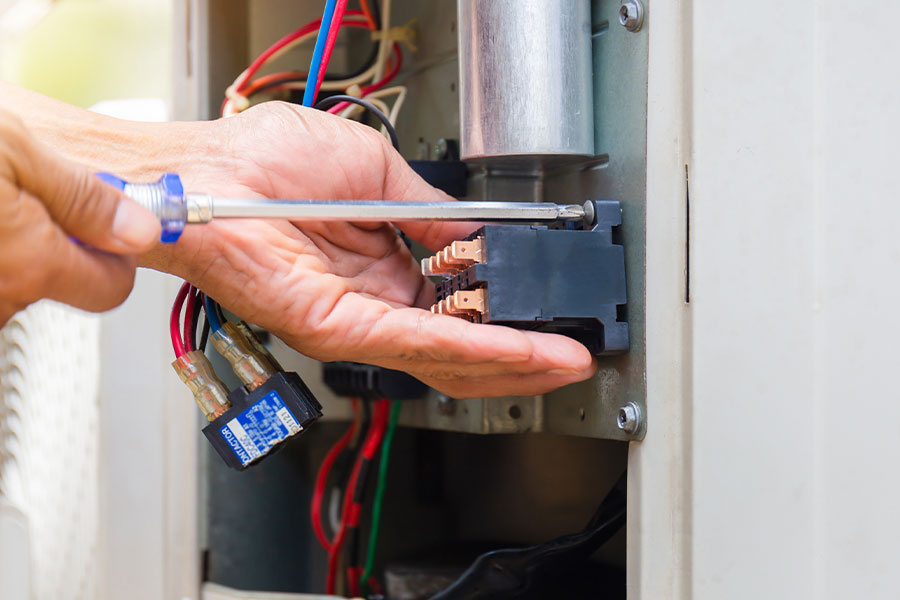
As winter approaches, you’ll want to guarantee your furnace is in top shape. Ignoring small issues can lead to bigger, costlier problems down the line. From unusual noises and inconsistent heating to unexpected spikes in energy bills, these signs shouldn’t be overlooked. Recognizing them early can save you from chilly nights and hefty repair bills. But what exactly should you watch for? Discover the vital signs that demand your immediate attention.
Unusual Noises Emanating From the Furnace
If your furnace starts making banging, rattling, or whistling sounds, it’s essential to identify their source promptly. These noises might signal serious mechanical issues that need immediate attention. By addressing these strange sounds early, you can prevent more extensive and costly repairs down the line.
Identify the Source of Banging, Rattling, or Whistling Sounds
Ever wondered why your furnace is making strange noises? Identifying the source of these sounds can help you address the issue effectively. Banging noises often signal expanding or contracting metal, possibly due to a dirty burner or ducts that need realignment. When you hear rattling sounds, it might indicate loose screws or panels. Checking and tightening these components can prevent further damage and guarantee safety. Whistling issues usually stem from airflow obstructions, like clogged filters or blocked vents, which can be resolved with a thorough cleaning. By addressing these sounds promptly, you’re not just keeping your home warm; you’re also guaranteeing a safe environment for those you serve. Take action now to maintain your furnace and serve your loved ones better.
Learn When Strange Furnace Noises Indicate Serious Mechanical Issues
Strange noises coming from your furnace can sometimes indicate more than just minor issues. When you hear clanging, screeching, or booming, it’s crucial to pay attention. Such sounds often signal mechanical issues that require immediate attention. Ignoring these strange noises could lead to more significant problems, affecting your ability to provide warmth and comfort to those you care about. Make furnace maintenance a priority to guarantee everything runs smoothly. By addressing these noises promptly, you prevent potential hazards and costly repairs. Keep an ear out for unusual sounds, and don’t hesitate to contact a professional if anything seems off. Your proactive approach guarantees your furnace remains reliable, helping you serve others by maintaining a cozy and safe environment throughout the winter.
Inconsistent Heating Throughout the Home
You’ve probably noticed some rooms in your home feel colder or warmer than others, and this inconsistency can be frustrating. Common causes for uneven heat distribution include blocked vents, ductwork issues, or thermostat malfunctions. It’s crucial to identify these problems early to guarantee your home stays comfortable and energy-efficient.
Common Causes of Uneven Heat Distribution in Different Rooms
When you notice some rooms in your home are warmer or cooler than others, it often points to common causes of uneven heat distribution. Furnace airflow issues might be the culprit, restricting warm air from reaching certain areas. Check if vents are blocked or if the furnace filter needs replacing. Duct insulation problems can cause heat loss as warm air travels through your home, resulting in inconsistent temperatures. Verify ducts are properly insulated to maintain efficiency. Additionally, thermostat malfunction effects could lead to inaccurate temperature readings, causing uneven heating. Make certain your thermostat is functioning correctly and located in a spot that accurately reflects your home’s temperature. By addressing these issues, you’re not only enhancing comfort but also serving your household’s needs.
Sudden Spike in Energy Bills
If you’ve noticed a sudden spike in your energy bills, your furnace might be the culprit. A malfunctioning furnace can waste energy, driving up your heating costs unnecessarily. You can take simple steps to restore efficiency and lower your monthly energy use, ensuring your home stays warm without breaking the bank.
Why a Malfunctioning Furnace Can Drive Up Heating Costs
A malfunctioning furnace can stealthily inflate your heating costs, leading to a sudden spike in energy bills that catches you by surprise. When your furnace isn’t working efficiently, it demands more energy to maintain a comfortable temperature, compromising heating efficiency and leading to higher costs. You might think you’re conserving energy, but the reality is quite the opposite. A faulty furnace forces you to use more fuel, which not only strains your budget but also undermines energy conservation efforts. By addressing these issues promptly, you’ll achieve significant cost savings while ensuring your home remains warm and inviting for those you care about. Keeping your furnace in top shape means you can focus on serving others without worrying about rising expenses.
Simple Steps to Restore Efficiency and Lower Monthly Energy Use
Facing a sudden surge in your energy bills? Don’t worry; you can take simple steps to restore your furnace’s efficiency and help others by reducing energy waste. Start with these furnace efficiency tips: schedule routine maintenance to guarantee all components run smoothly. Clean filters improve airflow, and a well-tuned furnace operates more efficiently. Consider energy saving upgrades like programmable thermostats, which optimize heating schedules and minimize unnecessary energy use. Sealing leaks in ductwork can greatly reduce heat loss, enhancing overall performance. Additionally, make certain your home is well-insulated to keep the warmth in and the cold out. By implementing these strategies, you’ll lower your monthly energy use, create a more comfortable environment, and contribute positively to energy conservation efforts.
Yellow or Flickering Pilot Light
When your furnace’s pilot light turns yellow or starts flickering, it signals a potential problem that shouldn’t be ignored. A healthy pilot light should burn blue, indicating efficient combustion. A yellow or flickering flame suggests incomplete burning, possibly causing carbon monoxide buildup. Regular pilot light maintenance is vital for safety and efficiency. Check for dust or debris that may obstruct the airflow.
Pilot light troubleshooting involves inspecting for drafts, adjusting the pilot light setting, or cleaning the orifice. If these steps don’t resolve the issue, professional help is necessary. By addressing these concerns promptly, you guarantee your furnace operates safely and efficiently, providing warmth and comfort to those you care for. Don’t wait; act swiftly to keep your home safe and warm.
Frequent Cycling On and Off
Occasionally, your furnace might start cycling on and off too frequently, indicating an underlying issue that needs attention. Frequent cycling causes your system to work harder, impacting its efficiency and your energy bills. You might notice that the furnace doesn’t maintain a consistent temperature, leaving those you care for feeling chilly. Often, this problem stems from thermostat malfunction detections or clogged filters restricting airflow.
As someone who values serving others, ensuring a comfortable environment is essential. Addressing these cycling issues promptly can prevent further damage and keep your system running smoothly. Check your thermostat settings and make sure it’s functioning correctly. If the problem persists, reaching out to a professional could be your best course of action to maintain a warm, welcoming space.
Strange Odors When the Furnace Is Running
If you notice strange odors when your furnace is running, it could indicate a variety of issues affecting your safety and comfort. Some smells, like a musty odor, might suggest mold, while a burning odor could mean electrical problems. It’s essential to call a professional for a diagnosis and repair to guarantee your home’s safety and your peace of mind.
What Different Furnace Smells Mean for Your Safety and Comfort
A peculiar odor wafting from your furnace can be more than just an inconvenience; it might signal underlying issues that affect your safety and comfort. Recognizing furnace odor types is essential in identifying potential problems early. A musty smell could suggest mold growth, while burning odors might indicate an electrical issue. More critically, a rotten egg smell warns of a gas leak, requiring immediate action for gas leak detection. Prioritize your safety by evacuating your home and contacting your gas company at once. Safety precautions, such as installing carbon monoxide detectors, can also provide peace of mind. By staying attuned to these signs, you’re not just protecting your home but also ensuring the well-being of everyone inside.
When to Call a Professional for Furnace Odor Diagnosis and Repair
Ever wondered when it’s time to call a professional about strange odors coming from your furnace? If you notice unusual smells, it’s vital to identify furnace odor types. A musty odor might indicate mold, while a burning smell could mean overheating components. However, if you detect a rotten egg or sulfur-like odor, it’s a red flag for a gas leak. Immediate gas leak detection is critical to prevent potential hazards. Additionally, you can’t underestimate carbon monoxide risks, which are odorless but incredibly dangerous. If your carbon monoxide detector alerts you, evacuate immediately and call a professional. By addressing these issues quickly, you can guarantee your home remains a safe, warm haven for those you care for during winter.
Difficulty Starting the Furnace
Why does your furnace struggle to start? When your furnace experiences ignition issues, it can disrupt your home’s warmth and comfort. A common cause is pilot light problems, which prevent the furnace from igniting properly. Another issue might be a thermostat malfunction, leading to unreliable temperature control and frequent cycling. You can better serve your loved ones by swiftly addressing these problems and ensuring a cozy environment.
To ease your troubleshooting, consider these possibilities:
- Furnace ignition issues can stem from worn-out components.
- Pilot light problems might arise from a dirty or misaligned sensor.
- Thermostat malfunction could result from outdated wiring or settings.
- Power supply disruptions may impact furnace performance.
Address these concerns promptly to maintain a warm, inviting space for all.
Accumulation of Dust or Soot Near the Furnace
When you notice dust or soot building up near your furnace, it’s a clear sign something’s amiss. As someone committed to safeguarding the well-being of others, you understand how crucial a safe environment is. Dust accumulation effects can compromise air quality, leading to health issues for those you care for. Soot buildup risks are even more alarming, as they might indicate incomplete combustion or a clogged burner, both of which can pose serious safety hazards.
Follow furnace maintenance tips to address these concerns promptly. Regular cleaning and inspections prevent further damage and promote efficient operation. By addressing these issues early, you’re not only protecting your home but also guaranteeing a cozy, safe space for everyone relying on your care this winter.
Poor or Weak Airflow From Vents
If you notice poor or weak airflow from your vents, duct leaks and blockages might be to blame. These issues can greatly reduce your furnace’s efficiency and make it struggle to heat your home properly. It’s crucial to address these problems promptly to guarantee your heating system operates effectively.
How Duct Leaks and Blockages Impact Furnace Performance
Although often overlooked, duct leaks and blockages greatly impact your furnace’s performance. Duct leakage effects lead to significant heat loss, reducing your system’s efficiency and causing uneven heating. Blockages in your ducts can obstruct airflow, making it difficult for warm air to reach your living spaces. This not only increases your energy bills but also strains your furnace, potentially leading to a breakdown. Proper insulation impacts the efficiency of your ducts, ensuring that heat is retained and distributed evenly throughout your home.
To help you address these issues, consider:
- Inspecting your ductwork regularly to identify leaks or blockages.
- Sealing leaks promptly to maintain efficient heating.
- Cleaning ducts to prevent airflow obstruction.
- Improving insulation to enhance overall furnace performance.
Persistent Humidity Issues in the Home
High humidity levels in the home can be more than just uncomfortable; they might signal a problem with your furnace. When your furnace struggles, it can’t effectively regulate indoor air quality, leading to excessive moisture. This can result in moisture damage, like mold growth or warped wood, compromising your home’s integrity. It’s vital to identify and address these issues promptly.
Consider investing in humidity control solutions to maintain balanced air quality. Simple steps, like using a dehumidifier or checking furnace filters, can make a significant difference. Ascertain your furnace isn’t the root cause by having it inspected. By taking proactive measures, you’re not only enhancing your living environment but also protecting your loved ones from potential harm caused by poor air quality.
Frequently Asked Questions
How Often Should I Schedule Routine Maintenance for My Furnace?
You should schedule furnace maintenance frequency at least once a year. Regular seasonal tune-ups prevent signs of neglect, ensuring your furnace runs efficiently. Your commitment helps create a warm, safe environment for those you care about.
What Is the Average Lifespan of a Home Furnace?
You’re curious about furnace lifespan factors. Typically, furnaces last 15-20 years. Look for signs of aging like inconsistent heating or strange noises. Consider replacement if efficiency drops, ensuring warmth for those you serve during winter.
Can a Malfunctioning Furnace Affect Indoor Air Quality?
Yes, a malfunctioning furnace can affect indoor air quality. It might release furnace pollutants, disrupt air circulation, and alter humidity levels. By ensuring proper maintenance, you’ll create a healthier environment for those you care about.
Is It Safe to Repair a Furnace Myself?
Repairing a furnace yourself isn’t always safe. DIY furnace repairs can lead to common mistakes without proper safety precautions. You’re better off serving your household by calling a professional to guarantee safety and longevity for everyone.
How Can I Improve My Furnace’s Energy Efficiency?
To improve your furnace’s energy efficiency, adjust thermostat settings to save energy, guarantee proper furnace insulation, and follow energy-saving tips. You’ll not only reduce costs but also contribute to a warmer, more sustainable environment for everyone.
Conclusion
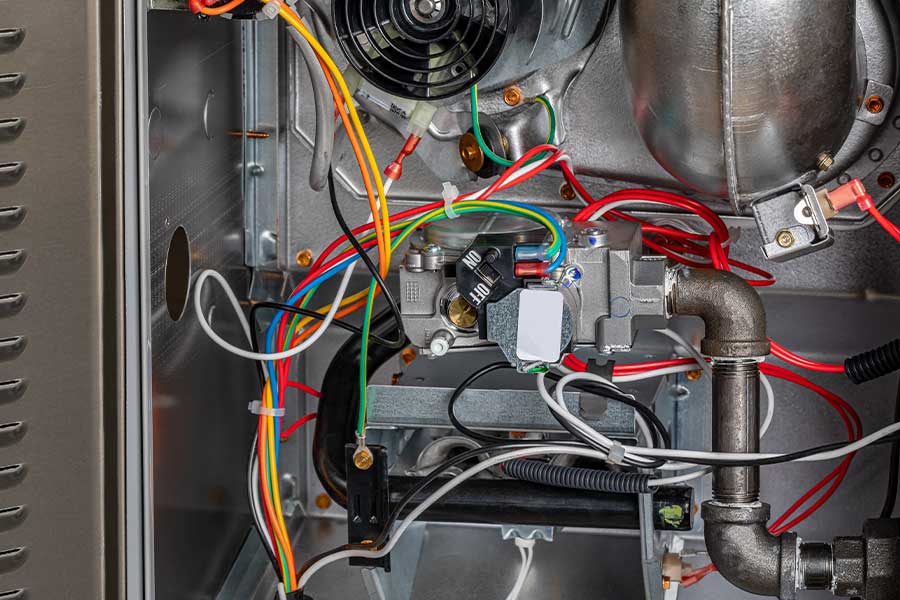
If you notice any of these warning signs, don’t wait to address them. Ignoring furnace issues can lead to discomfort, higher bills, or even safety hazards. By staying alert and taking prompt action, you’re ensuring a warm and safe environment for you and your family this winter. Remember, a well-maintained furnace not only keeps you cozy but also operates more efficiently. So, don’t hesitate—call a professional at the first sign of trouble.