



When your cooling system unexpectedly stops working, it can quickly turn a comfortable environment into a sweltering ordeal. Don’t panic; there are steps you can take to address the situation promptly. Begin by checking the thermostat settings and inspecting the air filter for any blockages. These initial checks might resolve the issue, but if not, there’s more to uncover. Could a deeper problem be lurking within your AC system?
Check the Thermostat Settings
Before calling for emergency AC repair, check your thermostat settings to verify it’s on “Cool” mode and set to the correct temperature. Sometimes, all it takes is replacing old or faulty batteries to get your system back on track. This simple check can save you time and hassle, guaranteeing your AC functions properly.
Make Sure Your Thermostat Is Set to “Cool” Mode and the Right Temperature
Why is your AC not cooling effectively? Begin with thermostat troubleshooting tips. First, verify your thermostat is set to “Cool” mode. It’s easy to accidentally switch to “Heat” or “Fan” modes, which won’t cool your home. Understanding cooling modes will help you navigate these settings confidently. Next, focus on adjusting temperature settings. The thermostat should be set to a temperature lower than the current room temperature. This simple check can save time and restore comfort quickly. When serving others, remember this: a well-functioning AC can greatly impact their well-being. By verifying the thermostat is correctly set, you’re providing relief and comfort. If the AC still doesn’t cool, consider other potential issues, but start with these basic checks for immediate results.
Replace Old or Faulty Thermostat Batteries to Restore Proper Function
After reviewing your thermostat settings, another common issue to check is the condition of the thermostat batteries. Faulty batteries can lead to signs of thermostat malfunction, leaving your cooling system inoperative. To serve your household effectively, start by identifying the correct thermostat battery types. Most thermostats require AA or AAA alkaline batteries, but some might use lithium ones. If your thermostat screen is blank or the system doesn’t respond to settings changes, it’s time for a replacement. Follow these thermostat replacement tips: turn off the power, remove the thermostat cover, and replace batteries with fresh ones. Verify they’re installed correctly. Restoring the thermostat’s power will often bring your cooling system back to life, effectively serving the comfort needs of your home.
Inspect the Air Filter
Take a moment to inspect the air filter, as a dirty one can restrict airflow and lead to cooling problems. It’s important to know how often you should replace or clean your AC filter to maintain efficient operation. By keeping the filter clean, you guarantee your AC runs smoothly and effectively.
A Dirty Air Filter Can Restrict Airflow and Cause Cooling Problems
When your air conditioner starts underperforming, one of the first things you should check is the air filter. A dirty air filter can greatly restrict airflow, reducing your system’s cooling efficiency and making it harder to keep spaces comfortable for those you care about. Regular air filter maintenance helps prevent these airflow restrictions, ensuring your AC unit operates efficiently. By keeping the air filter clean, you’re not only improving cooling performance but also prolonging the life of your system. It’s an easy task that shows your commitment to serving others by maintaining a pleasant environment. So, take a moment to inspect the air filter. Your dedication to effective service can make a considerable difference in comfort and energy savings.
Learn How Often You Should Replace or Clean Your AC Filter
How often should you replace or clean your AC filter to keep your system running efficiently? It depends on your AC maintenance schedule and the specific needs of your home. Generally, you should check your filter monthly and replace it every 1-3 months. If you’re serving others by maintaining a comfortable environment, it’s vital to understand the importance of clean filters. A dirty filter can reduce airflow, causing your system to work harder and potentially leading to breakdowns. By adhering to a regular filter replacement frequency, you’ll guarantee your AC performs at its best, conserving energy and extending its lifespan. Remember, a clean filter not only benefits your system but also improves air quality for everyone in your space.
Examine the Circuit Breaker
When your AC suddenly stops working, check the circuit breaker first. If it’s tripped, reset it to restore power to your unit. However, if the breaker trips frequently, it might indicate underlying electrical issues that need professional attention.
Reset a Tripped Breaker to Restore Power to Your AC Unit
Although it might seem intimidating, examining the circuit breaker is often the first step in restoring power to your AC unit when it suddenly stops working. Start by locating your electrical panel and identifying the tripped breaker. It’s an essential skill to master as part of your breaker maintenance tips. With proper troubleshooting techniques, you can quickly restore cooling comfort to those in your care. To reset, firmly switch the breaker off and then back on. Remember, always adhere to electrical safety precautions—never touch the panel with wet hands. If resetting the breaker restores power, celebrate your successful service. However, if the issue persists, a professional might be needed to guarantee no underlying issues affect your beloved cooling system.
Check for Frequent Breaker Trips That May Signal Electrical Issues
Repeated breaker trips could indicate underlying electrical issues with your AC unit. It’s essential to address these promptly to guarantee comfort for those you care about. Start by examining the breaker box, following safety precautions explained in your manual. Make sure your hands are dry and the area is well-lit. Use electrical troubleshooting techniques, like inspecting for frayed wires or burnt smells, which may point to deeper problems. If everything appears normal, check your AC unit’s power demand against the breaker’s capacity. Overloaded circuits can cause frequent trips. Implement breaker maintenance tips, such as tightening loose connections and replacing worn-out components. If issues persist, don’t hesitate to call a professional. Guaranteeing a safe and efficient AC system serves everyone better.
Look for Refrigerant Leaks
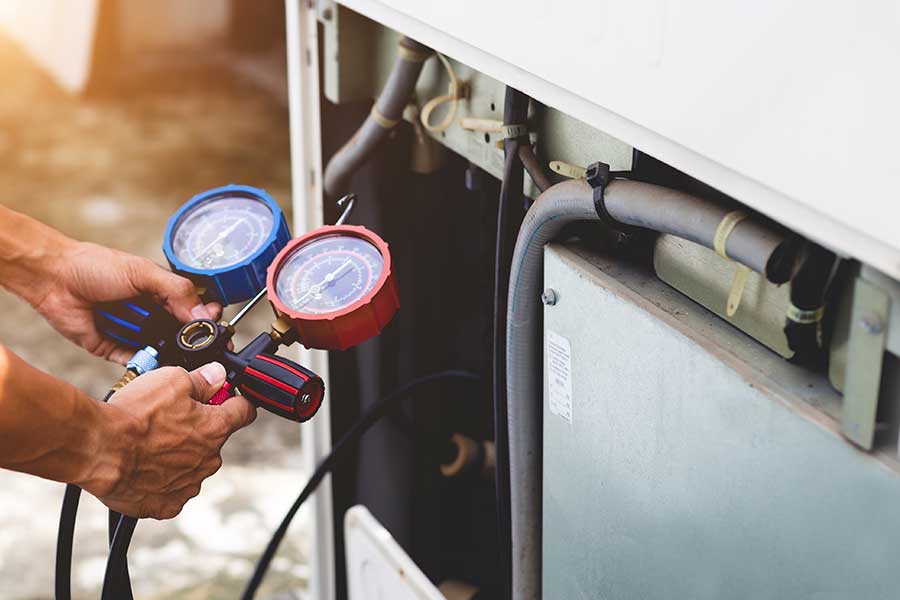
How can you tell if your AC unit is leaking refrigerant? First, check for refrigerant leak detection signs like hissing sounds or ice on the refrigerant lines. These can indicate low refrigerant levels and a potential leak. Common leak causes include corrosion or wear in the refrigerant lines and connections. You might notice your home isn’t cooling effectively, which is another clue. When serving others, it’s essential to address these issues promptly. If you suspect a leak, sealing refrigerant leaks can prevent further damage and restore efficiency. While some solutions might be DIY, professional assistance guarantees the problem’s fully resolved. By acting quickly, you help maintain comfort and safety, making sure your AC unit serves everyone effectively during those sweltering days.
Assess the Condenser Unit
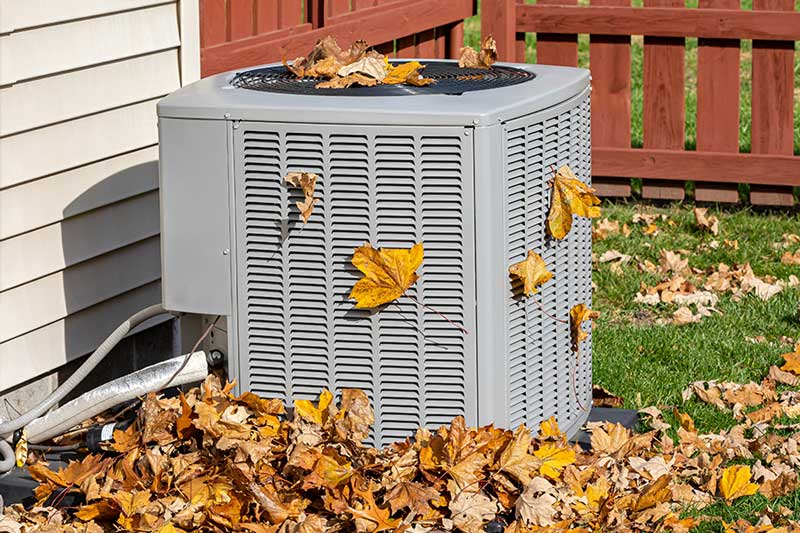
Before diving into complex repairs, verify your condenser unit is in good shape, as it plays an essential role in your AC’s efficiency. Start by inspecting the unit for debris, dirt, and any visible damage. A clean condenser guarantees better airflow and cooling performance. Utilize condenser cleaning techniques, such as gently washing the fins with a garden hose, to remove accumulated grime. Be vigilant about common condenser issues like bent fins or unusual noises. Bent fins can obstruct airflow—use a fin comb to straighten them carefully. If you hear strange sounds, it might indicate loose parts needing attention. Regularly apply condenser maintenance tips, like clearing surrounding vegetation, to prevent future problems. Your proactive approach guarantees comfort for those you serve, even during hot spells.
Evaluate Air Vents and Registers
When tackling emergency AC repairs, examining your air vents and registers is essential. Start with a thorough vent airflow assessment to guarantee cool air is circulating effectively. Blocked or obstructed vents can severely impact your system’s efficiency and your comfort. Next, conduct a register positioning inspection. Confirm registers are open, unobstructed, and aimed in the proper direction to facilitate ideal airflow. Every little adjustment can make a significant difference in cooling performance. Additionally, consider air vent cleaning as an act of service to those you care for. Dust and debris can accumulate, blocking airflow and lowering air quality. A clean system not only operates more efficiently but also creates a healthier environment for everyone in your space. Always prioritize these steps for effective emergency AC repair.
Listen for Unusual Noises
When your AC starts making grinding, buzzing, or hissing sounds, it’s often a sign that something’s not right. These noises can indicate issues like motor problems, electrical faults, or refrigerant leaks, which shouldn’t be ignored. If you notice any of these sounds, it’s time to call a professional for an inspection and repair.
What Grinding, Buzzing, or Hissing Sounds Might Mean for Your AC
If your AC starts making grinding, buzzing, or hissing noises, these sounds could indicate underlying issues that need prompt attention. Grinding sounds causes often point to problems with the fan motor bearings, which, if left unchecked, might lead to further damage. Buzzing sound solutions can include checking for loose components, like screws or wiring, that may vibrate and cause noise. Addressing these quickly guarantees the system runs smoothly and efficiently. Hissing noise implications often hint at refrigerant leaks or issues with internal pressure, both of which can affect the cooling performance. By listening for these unusual noises and addressing them, you’re not only extending your AC’s lifespan but also guaranteeing a comfortable environment for those you serve.
When Strange Noises Signal It’s Time for Professional Repair
Though it might be tempting to dismiss unusual noises coming from your AC, these sounds often signal it’s time to call in a professional for repair. Cooling noises like banging, clanking, or screeching aren’t just annoyances—they’re essential repair signs. Listening carefully to your unit can prevent further damage and guarantee it’s serving you and others effectively during those sweltering days. Instead of trying to fix it yourself, remember that proper maintenance tips suggest letting an expert handle it. Professionals have the tools and expertise to diagnose the issue accurately, restoring your AC’s efficiency swiftly. By acting promptly, you’re not only safeguarding your comfort but also extending your system’s lifespan, allowing it to continue serving those in need reliably.
Monitor the Drain Line
As you tackle emergency AC repairs, keeping an eye on the drain line is essential to preventing water damage and maintaining efficiency. Regular drain line maintenance guarantees your system operates smoothly, which helps you serve others by providing a comfortable environment. Look for signs of blockages, such as water pooling around the unit. Addressing these issues promptly can prevent costly repairs and protect your home. For clogged drain solutions, use a wet/dry vacuum or a mixture of vinegar and water to clear obstructions. These simple actions can make a significant difference. By prioritizing water damage prevention, you’re not only caring for your home but also safeguarding peace of mind for those who rely on you. Stay proactive and attentive to maintain cooling efficiency.
Investigate Electrical Connections
When your AC suddenly loses power, loose or corroded wires might be the culprit. It’s vital to let a licensed technician handle these electrical repairs to guarantee safety and efficiency. Attempting to fix it yourself can lead to more damage or even personal injury.
Loose or Corroded Wires Can Cause AC Power Failures
One common issue that can lead to AC power failures is loose or corroded wires. When wires aren’t properly connected or become corroded, your cooling system may stop working. Performing regular wiring inspections is essential to guarantee everything’s intact and secure. This helps in the immediate power restoration process and guarantees electrical safety for everyone. To tackle this, you can: – Inspect wiring connections: Confirm all connections are tight and free from corrosion. – Look for signs of wear: Check for frayed wires or any visible damage. – Use proper tools: Always use insulated tools to prevent electrical shocks.
Why Only a Licensed Technician Should Handle Electrical Repairs
Handling electrical repairs might seem manageable, but it’s crucial to leave this job to a licensed technician. When you prioritize safety and efficiency, you’ll find that the benefits of hiring a licensed technician far outweigh the DIY repair risks. These professionals are well-versed in electrical safety protocols, ensuring your home and family are protected. Attempting to fix electrical issues on your own could lead to dangerous situations, including shocks or fires. Licensed technicians have the expertise and equipment needed to accurately diagnose and repair electrical problems, preventing further complications. By entrusting your AC’s electrical connections to a professional, you’re not only safeguarding your loved ones but also ensuring your cooling system operates smoothly and effectively, bringing comfort to those you serve.
Contact a Professional HVAC Technician
Even if you’re handy around the house, sometimes it’s essential to contact a professional HVAC technician for your AC repair. In an emergency, having a skilled technician guarantees a swift and effective response. You’ll want someone who can quickly assess the situation and fix it without delay. Consider these benefits: – Emergency Response: A professional delivers timely help, minimizing discomfort during heat waves. – Technician Qualifications: Certified technicians possess the necessary skills and knowledge to handle complex issues safely and efficiently. – Repair Timeline: Experts provide an accurate timeline, setting realistic expectations and guaranteeing your AC is back up and running promptly.
Conclusion
When your AC stops working, don’t panic. Start by checking the thermostat, air filter, and circuit breaker. Keep an ear out for unusual noises and inspect for refrigerant leaks. Assess the condenser unit and drain line, and look over electrical connections. If these steps don’t solve the issue, it’s time to call in a professional HVAC technician. They’ll quickly diagnose and fix the problem, ensuring your home returns to a comfortable temperature.