



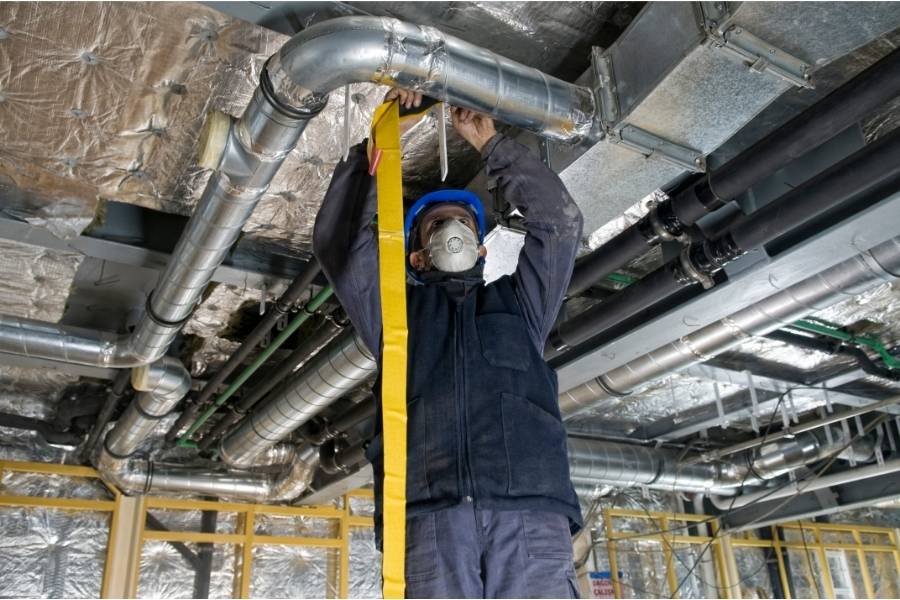
You might not realize it, but leaky ductwork could be the unseen culprit behind your soaring energy bills. When conditioned air escapes through gaps and cracks, your HVAC system works overtime, driving up costs and leaving some rooms uncomfortably warm or cool. This inefficiency not only strains your budget but also affects your home’s overall comfort. Curious about how to tackle this issue and enhance your home’s energy efficiency?
Understanding the Basics of Ductwork
You might not think about it often, but your HVAC duct system plays an essential role in distributing air throughout your home. Understanding the key components, like ducts, vents, and dampers, helps you grasp how they contribute to energy efficiency. Knowing how each part functions can empower you to keep your system running smoothly and your energy bills in check.
How HVAC Duct Systems Distribute Air Throughout Your Home
When you think about how your HVAC system works, it’s essential to understand the role of ductwork in distributing air throughout your home. Duct layout design plays a significant part in ensuring that every room receives adequate airflow. Properly planned ductwork means you can efficiently serve your family and guests by maintaining comfortable temperatures. Airflow dynamics are also vital; they determine how effectively air moves through the ducts, reaching each space in your home. By considering factors like bends and turns, you can optimize these dynamics for better performance. Insulation materials are another key component, reducing energy loss and ensuring that the air remains at the desired temperature. This thoughtful approach to ductwork helps you serve others by creating a comfortable and energy-efficient living environment.
Key Components of a Duct System and Their Role in Efficiency
Understanding the essential components of a duct system is crucial for guaranteeing its efficiency. By doing so, you can serve others by maintaining a comfortable and energy-efficient home environment. Here are the key components to focus on:
- Duct materials: Choose durable, insulated materials to minimize energy loss and enhance airflow. The right materials reduce airflow resistance, promoting efficient air distribution.
- Airflow resistance: This reduces efficiency and increases energy bills. Verify ducts are properly sealed and designed to minimize resistance, allowing air to flow freely.
- System maintenance: Regular inspections and cleaning of ducts prevent blockages and leaks. This maintenance guarantees the system performs effectively, saving energy and money.
Common Signs of Leaky Ducts
You might notice temperature fluctuations or uneven airflow in your home, which can be telltale signs of leaky ducts. Pay attention to rooms that are consistently warmer or cooler than others, as these could signal hidden duct leaks. Identifying these issues early can help prevent higher energy bills and maintain a comfortable living environment.
How to Spot Temperature Fluctuations and Uneven Airflow
Ever wondered why some rooms in your home feel colder or warmer than others? It might be due to leaky ducts causing uneven airflow. You can take action by using temperature monitoring techniques and airflow measurement tools to identify these issues. Here’s how you can help make your home more comfortable:
- Temperature Monitoring Techniques: Use digital thermometers in different rooms to track temperature variations and spot problem areas.
- Airflow Measurement Tools: Employ anemometers to measure airflow in each room, ensuring consistent distribution.
- Duct Inspection Methods: Conduct regular visual inspections of your ducts for visible leaks or damage.
Warning Signs That Point to Hidden Duct Leaks in Your System
Is your energy bill mysteriously climbing, or do you hear unusual noises when your HVAC system is running? These could be warning signs of hidden duct leaks. As someone who cares about creating a comfortable environment for others, it’s essential to address these issues. Start by applying duct inspection techniques to identify potential leaks. Utilizing airflow measurement tools can help pinpoint areas where air escapes, ensuring your system operates efficiently. Once you’ve identified leaks, compare sealing materials to find the best solution for your system’s needs. Proper sealing can prevent wasted energy, reduce bills, and improve overall air quality. By addressing these leaks, you’ll not only enhance comfort but also contribute to a more sustainable home environment.
The Impact of Leaky Ducts on Energy Efficiency
You’ll notice that leaky ducts can lead to significant energy loss, causing your utility bills to skyrocket. When ducts are sealed properly, your HVAC system performs more efficiently, ensuring that the air you pay to heat or cool actually reaches your living spaces. By addressing these leaks, you not only improve your home’s comfort but also save money on energy costs.
How Air Leaks Cause Energy Loss and Higher Utility Bills
Air leaks in ductwork can considerably undermine your home’s energy efficiency, leading to higher utility bills. When air escapes through gaps, your HVAC system works harder, using more energy. This not only strains your system but also increases costs you could otherwise save. To help others, consider these strategies:
- Air Leakage Effects: Leaky ducts can lead to uneven heating or cooling, making your home uncomfortable and less energy-efficient.
- Duct Insulation Importance: Properly insulated ducts reduce heat loss, keeping conditioned air where it belongs, enhancing comfort and efficiency.
- Energy Savings Strategies: Regularly inspect and seal ducts, and insulate them to prevent air leaks. These simple steps reduce waste and help you lower your utility bills, allowing you to allocate resources for greater good.
The Connection Between Sealed Ducts and HVAC Performance
When ducts are properly sealed, your HVAC system operates at peak performance, greatly enhancing energy efficiency. By employing effective duct sealing techniques, you guarantee the air you’re heating or cooling flows exactly where it’s needed, reducing waste. This not only cuts down on energy bills but also extends the life of your HVAC system, allowing you to better serve others by conserving resources.
Regular duct system maintenance is key to maintaining this efficiency. Inspecting and repairing ducts not only prevents leaks but also supports airflow optimization strategies. When airflow is optimized, rooms in your home reach the desired temperatures quicker, providing comfort and efficiency. By taking these steps, you’re not just saving money; you’re also contributing to a more sustainable environment for everyone.
How Leaky Ducts Affect Indoor Air Quality
Although often overlooked, leaky ducts can greatly compromise your indoor air quality. When ducts leak, they allow airborne pollutants to enter your home, which can affect you and your loved ones. You may not realize it, but these leaks can change the humidity levels, creating an environment that’s uncomfortable and potentially harmful. As someone committed to the well-being of others, you’ll want to take into account these impacts:
- Airborne Pollutants: Leaky ducts draw in dust, mold, and other pollutants that can harm those with allergies or asthma.
- Humidity Levels: Inconsistent humidity can foster mold growth, which affects comfort and health.
- Respiratory Health: Poor air quality can lead to respiratory issues, especially for children and the elderly.
Addressing these issues guarantees a healthier living space.
Identifying Leaks in Your Ductwork
Ever wonder how to spot leaks in your ductwork? Start by conducting an airflow assessment. Walk around your home and pay attention to rooms that feel less comfortable than others. This could indicate compromised airflow due to leaks. Next, perform an insulation evaluation. Inspect your ductwork for areas where insulation may be missing or damaged—this can be a clue that air is escaping. Use your hands to feel for air drafts around the ducts. If you notice joints or seams that seem loose, they might be prime candidates for leaks. While you’re at it, check for any makeshift repairs using duct tape. Although useful in some situations, duct tape often isn’t a permanent fix for ductwork leaks.
DIY Methods for Sealing Duct Leaks
Sealing duct leaks yourself can be a straightforward and cost-effective way to improve your home’s energy efficiency. By using DIY sealing techniques, you can make a significant impact on reducing energy waste and lowering your bills. Here’s how you can assist:
- Duct Tape Effectiveness: While duct tape is convenient, it’s not the best for long-term sealing. Opt for mastic sealant or foil-backed tape designed for ductwork.
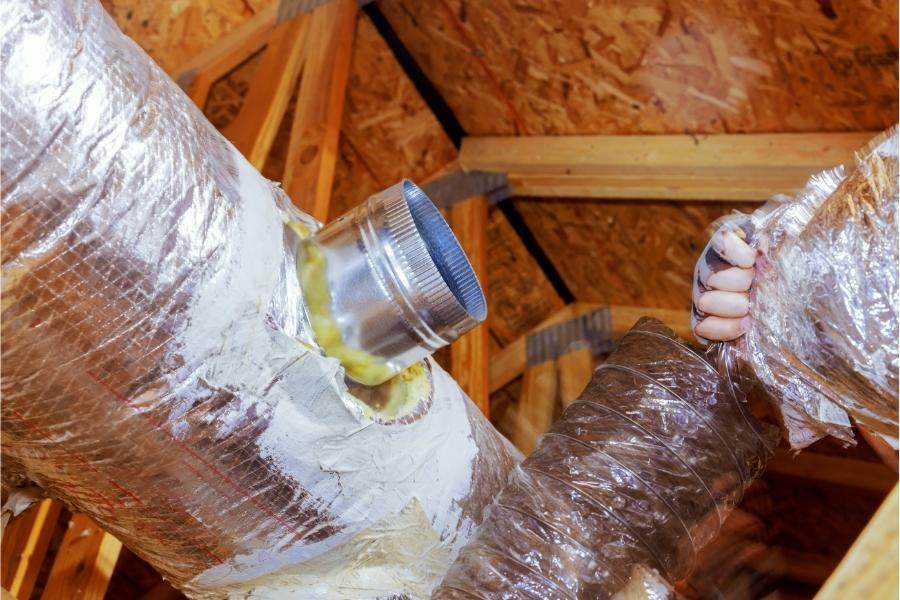
- Energy Saving Materials: Use materials like reflective insulation wraps to cover ducts, enhancing efficiency and reducing energy loss.
- Regular Maintenance: Check and seal ducts regularly to verify they’re in good condition, preventing future leaks and increasing energy savings.
Professional Solutions for Duct Repair
When you hire a certified HVAC technician for duct repairs, you guarantee that the job is done right the first time, leading to lasting results. Professionals have the expertise and tools to seal leaks effectively, which greatly boosts your home’s energy efficiency. By choosing expert services, you not only reduce energy bills but also enhance your home’s overall comfort.
Why Hiring a Certified HVAC Technician Ensures Lasting Repairs
Although it might be tempting to tackle ductwork repairs on your own, hiring a certified HVAC technician guarantees the job is done right the first time. By choosing a professional, you’re ensuring that your ductwork will be repaired with precision, leading to long-lasting results. Here are three reasons why this approach benefits you and those you serve:
- Certified Technician Benefits: Trustworthy experts bring knowledge and experience, ensuring quality work that stands the test of time.
- Repair Longevity Strategies: Professionals use proven methods to extend the life of your HVAC system, reducing the need for frequent fixes.
- HVAC Maintenance Importance: Regular service by certified technicians keeps your system efficient and reliable, preventing unexpected breakdowns.
Investing in skilled assistance ultimately supports both your household and your community’s well-being.
How Professional Duct Sealing Services Improve Energy Efficiency
Turning to a certified HVAC technician not only guarantees reliable repairs, but their expertise also extends to improving your home’s energy efficiency through professional duct sealing services. By addressing leaky ducts, you’re not just reducing energy waste, you’re actively contributing to a more sustainable environment and ensuring comfort for those you care about. The duct sealing benefits are significant; they include noticeable energy savings on monthly bills and enhanced air quality. With professional expertise, technicians use advanced methods to seal your ducts effectively, ensuring that your system operates efficiently. This not only saves money but also prolongs the lifespan of your HVAC system. You’ll appreciate the peace of mind knowing your home is more energy-efficient and environmentally friendly.
The Cost-Benefit Analysis of Sealing Duct Leaks
Sealing duct leaks is a smart investment that can lead to significant savings on your energy bills. By conducting a cost analysis, you’ll find that the initial expense of duct maintenance pales in comparison to the long-term energy savings. Consider these benefits:
- Reduced Energy Waste: Properly sealed ducts minimize air loss, ensuring more efficient heating and cooling in your home.
- Lower Utility Bills: With improved efficiency, you’ll notice a decrease in your monthly energy expenses, freeing up resources to serve others in more meaningful ways.
- Increased System Longevity: Regular duct maintenance helps your HVAC system operate smoothly, reducing wear and tear, and extending its lifespan.
Preventative Measures to Avoid Future Leaks
Regular inspections are your first line of defense against costly HVAC issues. By catching minor problems early, you can prevent them from escalating into expensive repairs. Don’t wait until it’s too late; schedule routine check-ups to keep your system running efficiently.
How Regular Inspections Can Prevent Costly HVAC Problems
Although often overlooked, scheduling regular inspections of your HVAC system is vital to preventing costly problems down the line. By focusing on inspection frequency, you guarantee that potential issues are caught early, reducing the risk of expensive repairs and energy wastage. Proper technician training is significant because it equips professionals with the skills needed to identify and address hidden problems effectively.
Consider these maintenance benefits:
- Enhanced Efficiency: Regular check-ups keep your HVAC system running smoothly, saving energy and reducing bills.
- Prolonged Lifespan: Consistent maintenance helps your system last longer, delaying the need for costly replacements.
- Improved Air Quality: Clean and well-maintained systems provide healthier air for those you care about.
Additional Tips for Improving Home Energy Efficiency
To further enhance your home’s energy efficiency, consider implementing a few simple yet effective strategies. Start by investing in energy efficient appliances; they consume less power and help reduce your carbon footprint. You might also explore smart home technology, which allows you to control lighting, heating, and cooling remotely, ensuring energy isn’t wasted when it’s not needed. Additionally, don’t underestimate the impact of insulation upgrades. By properly insulating your home, you can prevent heat loss in winter and keep cool air inside during summer, making a significant difference in your energy bills. These improvements not only save you money but also contribute to a more sustainable future, aligning with your desire to serve others and the planet responsibly.
Frequently Asked Questions
How Do Seasonal Changes Affect Ductwork Integrity?
Temperature fluctuations and humidity levels can weaken your ductwork’s integrity. Seasonal maintenance is essential to prevent leaks that waste energy. By ensuring efficient systems, you’ll help others save on bills and reduce environmental impact, fostering community well-being.
Can Plant Growth Near Vents Indicate Duct Issues?
Sure, plant growth near vents can indicate duct issues. You might notice irregular vent placement, increased humidity levels, or poor airflow balance. By addressing these signs, you’ll improve comfort and efficiency, ultimately serving your home’s needs better.
Are There Specific Materials That Prevent Duct Leaks Better?
You can prevent duct leaks by using high-quality duct insulation and air sealing materials. Opt for flexible ducts, as they’re less prone to damage. By ensuring tight connections, you’ll save energy and better serve those in your home.
How Does Ductwork Age Impact Energy Bills?
As ductwork ages, its insulation effectiveness decreases, leading to energy losses. Regular ductwork maintenance and airflow assessments guarantee peak performance. By addressing aging ductwork, you’ll save on energy bills, benefiting both your finances and those you’re serving.
Can Pests Contribute to Ductwork Leaks?
Yes, pests can invade your ductwork, causing leaks. Focus on effective duct sealing to prevent pest invasion, ensuring your home’s energy efficiency. By doing so, you’ll serve your household’s needs while potentially reducing energy expenses.
Conclusion
By addressing leaky ductwork, you’re taking an essential step towards improving your home’s energy efficiency. Sealing those leaks not only reduces your energy bills but also enhances indoor comfort and air quality. Investing in professional repairs now can prevent more costly issues down the road. Remember, maintaining your ductwork is an ongoing process, so take preventative measures and keep up with regular inspections. You’ll enjoy a more comfortable, efficient, and cost-effective home environment.