
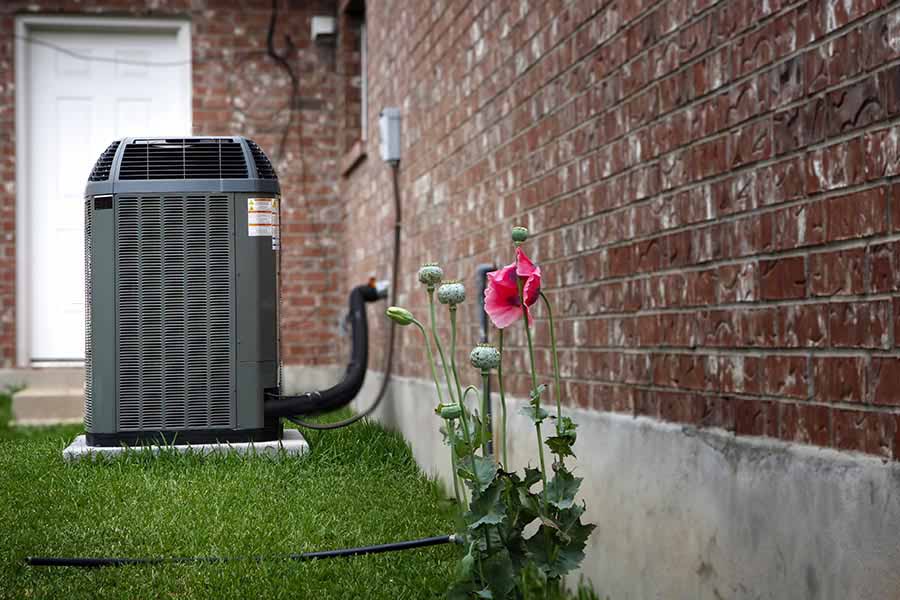
If your heat pump isn’t working right in Wildwood, MO, you might be dealing with a few common issues. Insufficient refrigerant levels, dirty air filters, or a faulty thermostat could all be at play. Even electrical problems or frozen coils can disrupt your system’s efficiency. Understanding these factors is essential for effective troubleshooting. So, what should you look out for to guarantee your heat pump runs smoothly?
Insufficient Refrigerant Levels
One common issue you might encounter with your heat pump in Wildwood, MO, is insufficient refrigerant levels.
When your system lacks refrigerant, it can’t effectively absorb and release heat, leading to inadequate heating or cooling. You may notice fluctuating temperatures or a complete lack of comfort in your home.
Low refrigerant levels often stem from leaks in the system.
It’s vital to address these leaks promptly, as they can cause further damage and lead to costly repairs. If you suspect your heat pump is low on refrigerant, don’t hesitate to call a professional. They’ll not only recharge the system but also identify and fix the source of the leak. Additionally, professionals can provide reliable furnace repair services to ensure your heating system runs efficiently.
Dirty Air Filters
A common culprit behind heat pump issues in Wildwood, MO, is dirty air filters. When your filters get clogged with dust and debris, airflow decreases, forcing your heat pump to work harder. This can lead to increased energy bills and unnecessary wear on your system.
You might notice uneven heating or cooling, or even strange noises as your heat pump struggles to maintain a comfortable temperature. Regular maintenance helps to identify small issues early before they become major problems.
To avoid these problems, it’s crucial to check and replace your air filters regularly—ideally every one to three months, depending on usage and the presence of pets. Keeping your filters clean not only improves efficiency but also helps maintain better indoor air quality.
If you’re unsure how to do this or need assistance, feel free to reach out to Saylors Systems Heating and Air. We’re here to help you keep your heat pump running smoothly and efficiently!
Faulty Thermostat
When your heat pump isn’t performing as expected, a faulty thermostat might be the issue.
It’s the brain of your heating system, and if it’s not working correctly, you’ll feel the effects.
Here are three signs your thermostat might need attention:
- Inaccurate Temperature Readings: If the temperature on your thermostat doesn’t match the actual room temperature, it’s time to investigate.
- Unresponsive Controls: When you adjust the settings but nothing happens, your thermostat could be malfunctioning.
- Frequent Cycling: If your heat pump turns on and off too often, a faulty thermostat may be misreading the room’s temperature.
Addressing these issues promptly can save you from further complications.
If you suspect your thermostat is the culprit, don’t hesitate to call a professional, as they can provide dependable repair and help you diagnose and resolve the problem, ensuring your heat pump runs smoothly again.
Electrical Issues
Have you noticed your heat pump acting erratically? Electrical issues might be the culprit. Problems like tripped breakers, blown fuses, or faulty wiring can disrupt your system’s performance.
If your heat pump suddenly stops running or cycles on and off repeatedly, it’s time to investigate. Start by checking your circuit breaker. A tripped breaker can cut off power, leaving your heat pump inoperable. If it keeps tripping, you might’ve an underlying issue that needs attention.
Blown fuses are another common problem; replacing them can sometimes do the trick. Faulty wiring can also lead to significant problems. If you notice frayed wires or burnt connections, it’s essential to call in a professional. Local HVAC professionals can provide thorough inspections to identify and resolve these electrical issues effectively.
Ignoring electrical issues can lead to more extensive damage or even pose safety risks. Address these concerns promptly to keep your heat pump running smoothly.
Frozen Coils
If your heat pump is blowing cold air or not heating your home effectively, frozen coils could be the issue.
When the coils freeze, they can’t transfer heat properly, leading to inefficiency and discomfort.
Here are three common causes of frozen coils:
- Insufficient airflow: Clogged filters or blocked vents can restrict airflow, causing the coils to freeze.
- Low refrigerant levels: If your system is low on refrigerant due to leaks, it can lead to temperature imbalances and frozen coils.
- Cold outdoor temperatures: In extreme cold, your heat pump may struggle to extract heat, resulting in ice formation.
To resolve the problem, check your filters and vents first, then consider calling a professional to inspect your refrigerant levels.
Don’t let frozen coils leave you in the cold—stay proactive and keep your heat pump running smoothly!

Conclusion
So, if your heat pump’s acting more like a fridge than a heater, don’t just sit there in your parka! Check those refrigerant levels, swap out those filters, and give your thermostat a little TLC. And if you’re still in a frosty standoff with your system, it might be time to call in the pros. Remember, ignoring these issues won’t make them disappear—kind of like that leftover fruitcake from last Christmas!