


Fenton sits right along the Meramec River, and folks here know firsthand what high water can do. Basements in the lower parts of town have taken on water during major floods, and the furnaces sitting in them often paid the price. Even in dry years, river humidity keeps basements damp and puts slow, steady wear on heating equipment.
Saylors Systems Heating and Air offers furnace repair in Fenton, MO with a clear, honest approach. We are a husband-and-wife owned company from Eureka, just upriver, and we understand what Meramec Valley homes go through.
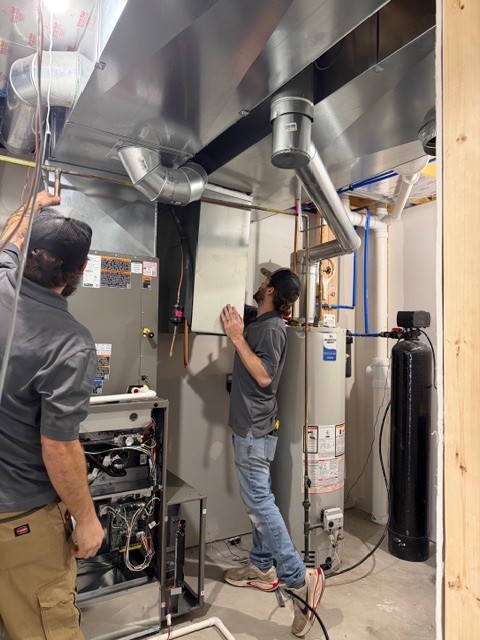
River-town furnaces tend to show their age and wear in specific ways. These are the signs we look for in Fenton.
If your furnace has ever been in standing water, or you see any of these, please have it checked before relying on it this winter.
A furnace that has been in floodwater is never quite the same afterward. Water damages gas valves, control boards, motors, and insulation inside the cabinet, and some of that damage takes months to show up. We regularly find furnaces that seemed fine after high water but started failing the next winter because of hidden corrosion.
Even homes that never flooded deal with the river’s influence. High humidity in Fenton basements lets rust creep across burners and heat exchangers year after year. Corroded flame sensors and wiring connections are some of the most frequent repairs we make here.
Many Fenton homes were built between the 1970s and 1990s, so plenty of furnaces are getting older too. Worn inducer motors, failing igniters, and tired blower capacitors round out the list.
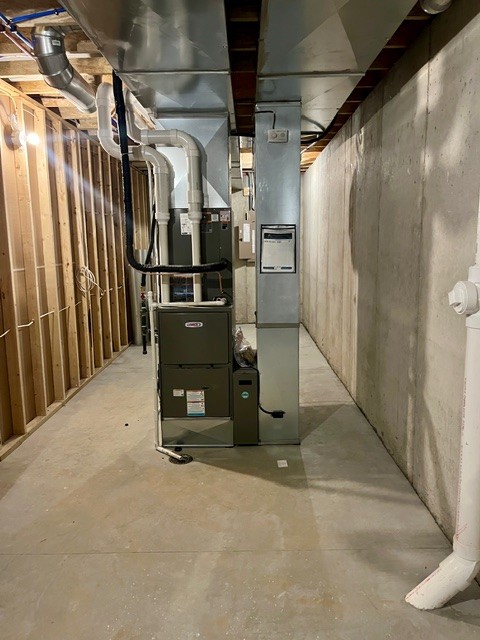
When we arrive, we ask about the home’s history, including any past flooding or water in the basement. Our technician then inspects the furnace inside and out, paying close attention to the gas valve, control board, burners, and heat exchanger. We also test for carbon monoxide, since water damage can affect safe operation.
We explain what we find in everyday language and give you straightforward options. If a part has been compromised by water, we will tell you honestly whether it is safe to repair. Your safety always comes first.
Once the work is done, we run the furnace through a complete cycle and confirm it is operating safely. We will also let you know about any signs of moisture damage worth keeping an eye on.
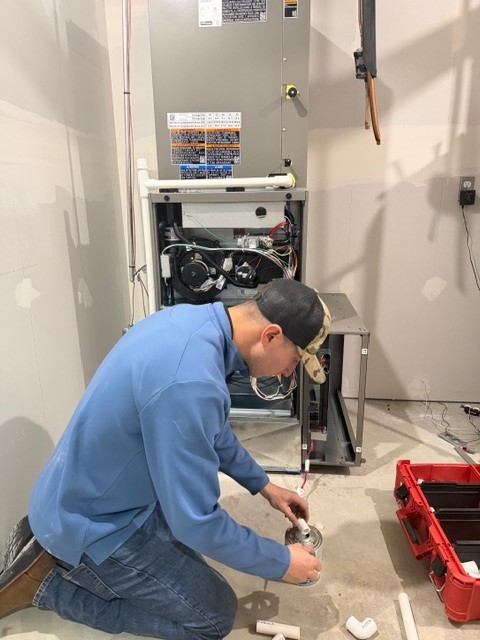
Chris called us the first cold week of November after his furnace refused to start. He lives in a home near Fenton City Park, and his basement had taken on a few inches of water during a heavy spring rain earlier that year. The furnace had been fine through the fall, so he assumed it was just a fluke.
Our tech found the bottom of the furnace cabinet rusted, and the igniter wiring and gas valve connections were badly corroded. The furnace was trying to start, but the signal was not getting through. The water had clearly reached the lower parts of the unit months earlier.
He replaced the corroded wiring and igniter and carefully tested the gas valve to make sure it was working safely. With the repairs made, the furnace fired up and ran through several full cycles. He also showed Chris what to check after future heavy rains so a small leak would not turn into another breakdown.
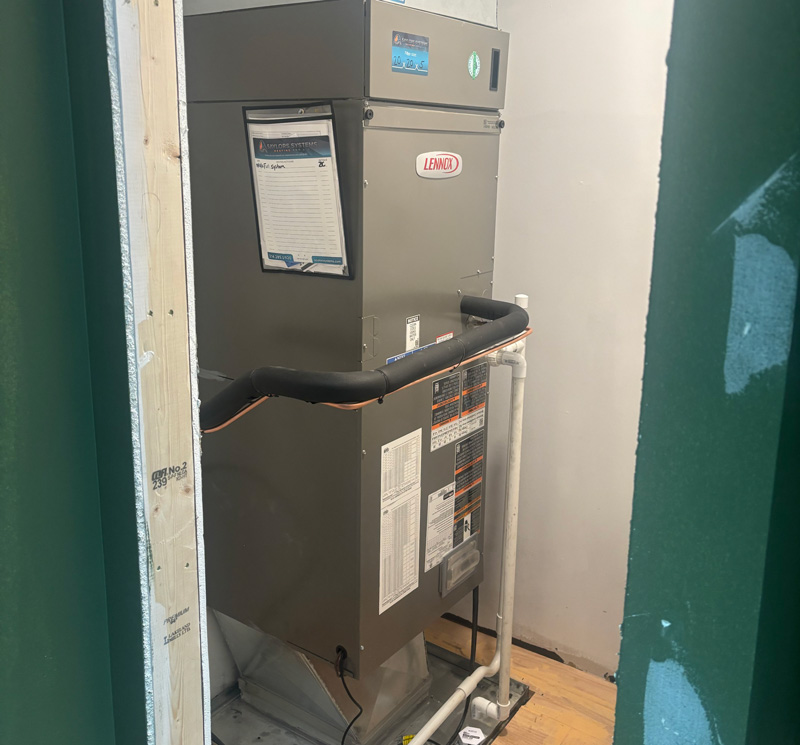
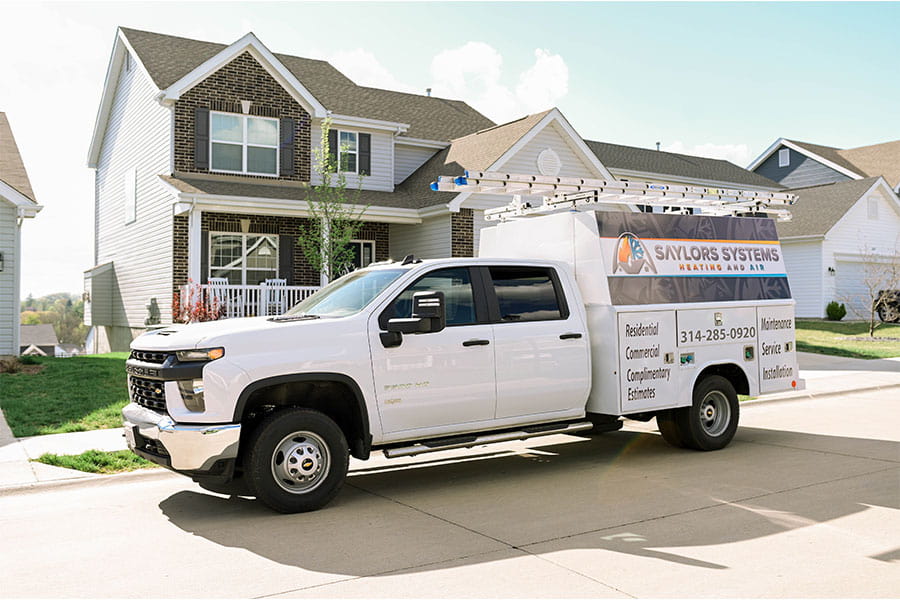
Our company was built on the idea that good service starts with good people. That is what Fenton homeowners get when they call us.
Call us when your furnace needs help, and we will get your Fenton home warm and safe again.
Not until it has been inspected. Water can damage the gas valve and controls, so have a technician check it before using it.
Yes. Damp air rusts burners and corrodes wiring and flame sensors over time.
Mildew in the ductwork or around the furnace is a common cause, especially in damp basements.
Sometimes. It depends on how high the water reached and which parts were affected. We’ll give you an honest answer.
Raising the furnace off the floor, keeping a sump pump working, and running a dehumidifier all help.