

High Ridge lives up to its name. Homes here perch on hilltops and wooded slopes along Highway 30, and the elevation means winter winds hit harder and cold nights feel colder. Long driveways, tall trees, and a mix of 1960s ranches and newer homes give this area its character and a few specific heating challenges.
Saylors Systems Heating and Air provides furnace repair in High Ridge, MO from our home base in Eureka. We are a small, family-owned crew that knows Jefferson County roads well, and we are ready to help when your furnace gives out.
Exposed hilltop homes put extra stress on heating systems. These are the signs that yours needs help.
Most of these are fixable once you know the cause, and an early call can keep you from a cold, sleepless night.
Wind exposure is one of the biggest factors for furnaces on the ridge. Strong gusts can push against exterior vent pipes, upset the draft, and trip safety switches. Homes on open lots also lose heat faster, which means longer run times and more wear on igniters, motors, and capacitors.
Wooded lots bring falling leaves, pine needles, and the occasional bird or wasp nest, all of which can block the intake and exhaust pipes on high-efficiency furnaces. A blocked pipe shuts the furnace down for safety, and it usually happens on the coldest night of the month.
Many of the older ranch homes in High Ridge still have original ductwork and older furnaces that have been running for decades. In those homes, cracked heat exchangers, worn burners, and loose duct connections show up often.
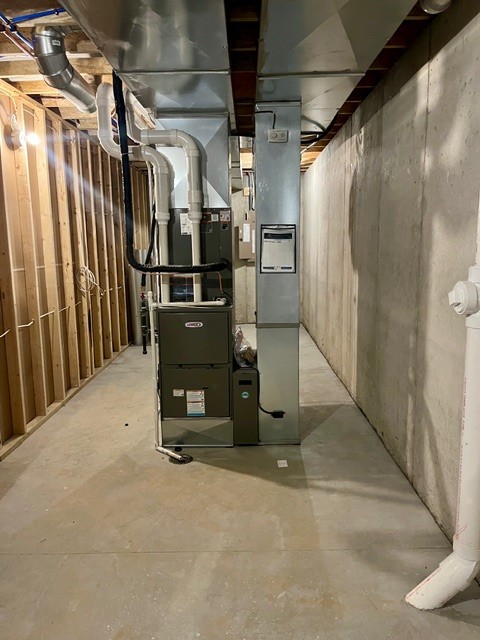
Our technician starts outside by checking the vent pipes for blockages, damage, or wind issues. Then we move inside to test ignition, burners, gas supply, airflow, and every safety control. Looking at both sides of the wall helps us catch problems that might otherwise get missed.
We explain what we find in plain language and give you honest options. If your furnace needs a quick fix, we will handle it. If we think something bigger is coming, we will tell you straight so you can plan.
When the repair is finished, we test the furnace through a full cycle and run a carbon monoxide check. You will know your home is warm and safe before we leave.
Megan called us on a blustery evening in December after her furnace shut down for the third time that day. Her home sits on a wooded hilltop in High Ridge, and the wind had been howling since morning. Each time the furnace stopped, it would eventually start again, then quit a short while later.
Our tech headed outside first and found the intake pipe packed with wet leaves and twigs blown in by the storm. With the intake partly blocked, the furnace could not pull in enough air and the pressure switch kept tripping. A loose vent cap was letting even more debris in.
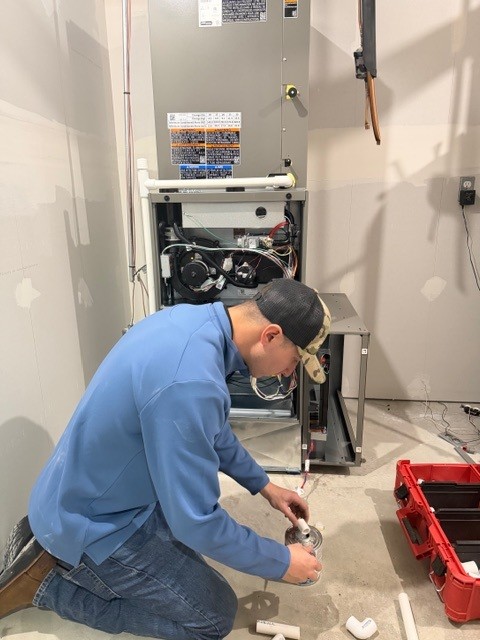
He cleared the intake, secured a new vent cap, and checked the exhaust side for any other blockages. Back inside, he tested the pressure switch and ran the furnace through a few full cycles to confirm it was holding steady. Megan’s house warmed up quickly, and the furnace ran through the rest of that windy night without stopping.
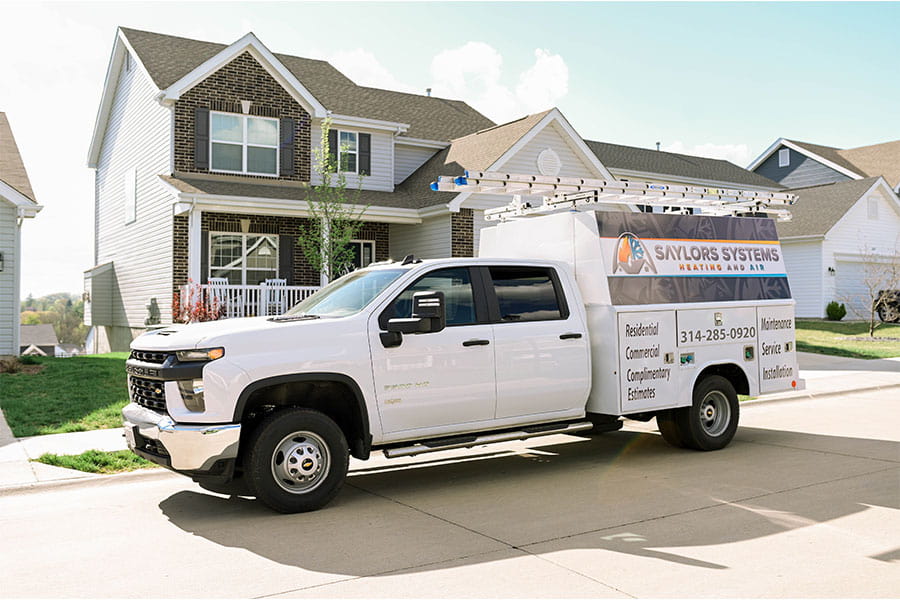
Austin and Danielle Saylors built this company on honest work and real relationships. High Ridge homeowners can count on us for both.
When your furnace needs attention, we will make the drive and make it right.
Wind can affect vent pipes and trip the pressure switch. Blocked or loose vent caps make it worse.
Yes. Leaves and nests can block intake and exhaust pipes on high-efficiency furnaces and shut them down.
Check them a few times each winter and after big storms or heavy leaf fall.
Wind exposure, older windows, and leaky ductwork can all play a role. We can check how your furnace is keeping up.
Yes. We serve homes throughout High Ridge and Jefferson County.