


Murphy sits in northern Jefferson County near Highway 141, and its neighborhoods are filled with homes built from the 1970s through the 2000s. A lot of those houses came with builder-grade furnaces that did their job well for years and are now starting to show their age. The first cold snap of fall is often when those furnaces reveal what has been wearing out over the summer.
Saylors Systems Heating and Air offers furnace repair in Murphy, MO with straightforward service and honest advice. We are a husband-and-wife owned company from Eureka, and we are glad to help our Jefferson County neighbors.
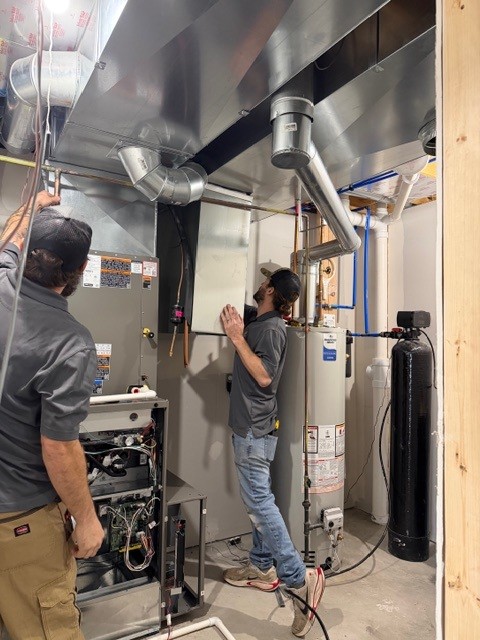
Murphy homeowners often find out about furnace problems the first night they turn on the heat. Watch for these signs.
A quick check before the real cold arrives can save you from scrambling for space heaters later.
Furnaces sit idle all summer, and when the first chilly night arrives, any part that has weakened gets tested all at once. Igniters crack, flame sensors that collected dust and moisture over the summer fail to read the flame, and capacitors that were barely holding on give out. We see a big wave of these calls every October and November.
Builder-grade furnaces from the late 1990s and 2000s are especially common in Murphy subdivisions. They are now at the age where control boards, inducer motors, and pressure switches start failing. Condensate drains on high-efficiency units can also clog with algae and debris during the long off season.
Humid Missouri summers do their part too. Moisture in basements and utility rooms leaves corrosion on wiring and burners while the furnace sits unused.
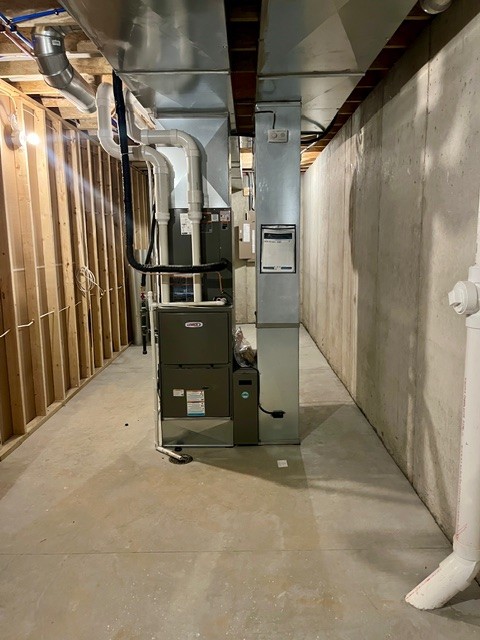
Our technician starts with what you noticed when the heat first came on, since that often points right to the problem. Then we test the startup sequence step by step, from the thermostat call through the inducer, igniter, gas valve, flame sensor, and blower. That step-by-step approach lets us find exactly where things break down.
Once we know the cause, we explain it in plain terms and give you clear options. Many first cold snap problems come down to a single worn part. If we spot other parts close to failing, we will mention them without any pressure.
Every repair finishes with a full heating cycle and safety check. We want your furnace ready for the long winter ahead.
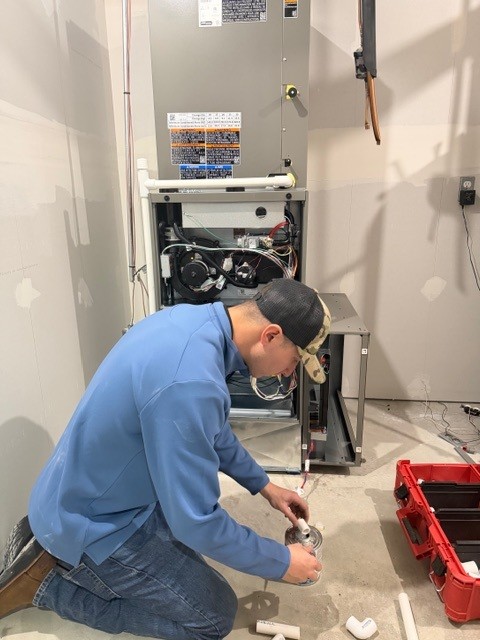
Kevin called us on the first truly cold night of October after his furnace refused to heat. His home in a Murphy subdivision off Highway 141 had a furnace that came with the house in the early 2000s. When he turned on the heat, he could hear the inducer motor hum, but the burners never lit.
Our tech found the condensate trap clogged with gunk that had built up over the summer. Water had backed up into the pressure switch tubing, so the switch never closed and the furnace kept locking itself out for safety. Nothing was broken, but the furnace could not get past the first step of startup.
He cleaned the condensate trap and drain line, cleared the pressure switch tubing, and tested the whole startup sequence several times. The burners lit cleanly and the furnace ran without a problem. He also recommended a fall checkup each year to catch these issues before the first cold night.
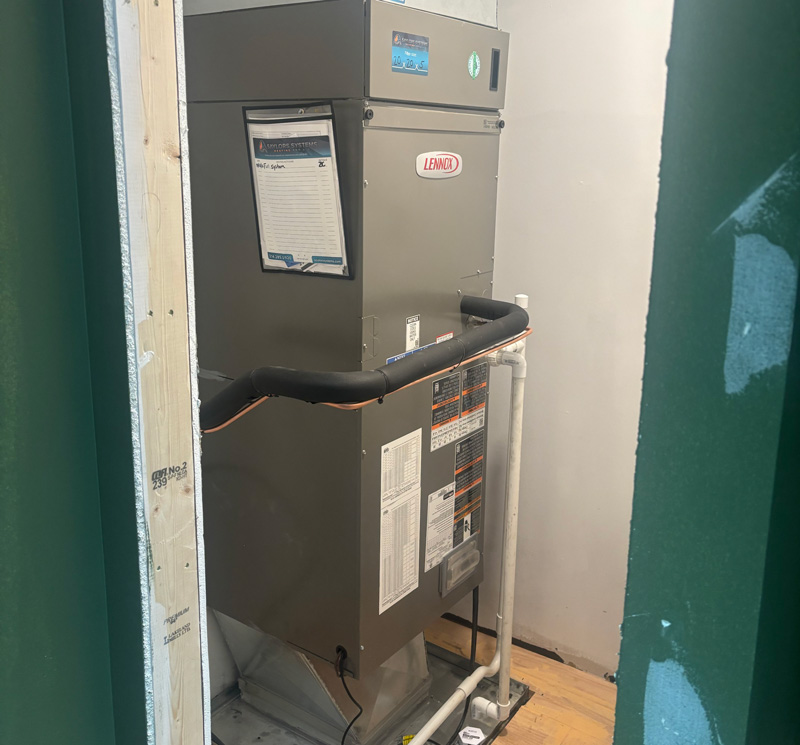
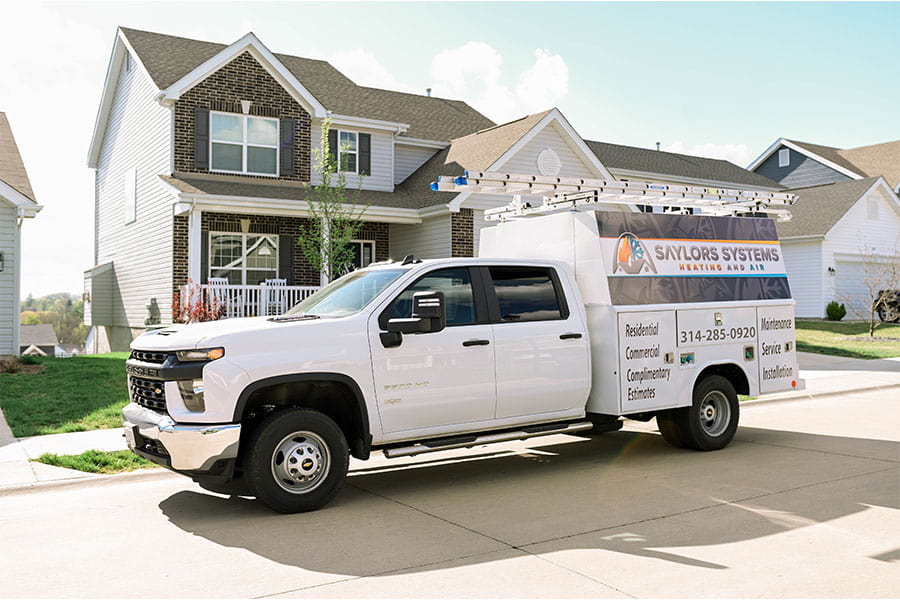
We are a local team that believes in doing the job right and treating people well. That is why Murphy neighbors keep calling us.
When your furnace won’t cooperate, we are ready to come out and get it running again.
Parts like igniters, flame sensors, and capacitors can weaken over summer and fail on the first startup.
A light dust smell for a short time is normal. If it lasts or smells electrical, turn the furnace off and call us.
It is part of a high-efficiency furnace that drains water. When it clogs, the furnace can shut down.
Early fall is ideal, before you need heat every day.
Many last 15 to 20 years with regular care, though repairs become more common with age.