


Sappington is an established South County community where many families have lived in the same brick ranch or split-level for decades. Homes here were mostly built in the 1950s and 1960s, and plenty of the furnaces inside have been faithfully running for twenty years or longer. A long-serving furnace can still keep a home warm, but age makes regular safety checks more important than ever.
Saylors Systems Heating and Air delivers furnace repair in Sappington, MO with safety at the center of every visit. We are a family-owned team, and we treat your home the way we would want our own parents’ home treated.
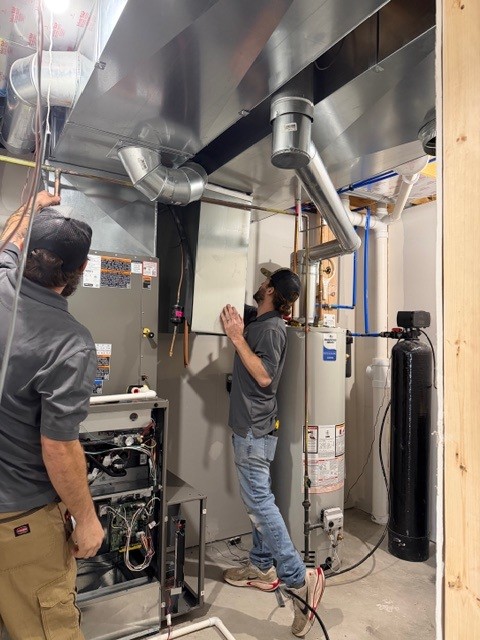
Older furnaces often give warnings before they fail. Pay attention to these.
If your carbon monoxide alarm goes off or anyone feels sick, get everyone outside and call 911 before calling us.
The heat exchanger is the part we watch most closely in older Sappington furnaces. After years of heating up and cooling down, the metal can crack, which may allow combustion gases to mix with the air you breathe. A cracked heat exchanger is a serious safety concern and is one of the main reasons we test carefully on older systems.
Burners and flame patterns also change with age. Rust, dust, and debris can cause uneven or yellow flames, which burn less cleanly and can produce soot. Older thermocouples, pilot assemblies, and gas valves on standing-pilot furnaces are also common repair items here.
Many Sappington homes still have their original chimneys and duct systems. Venting problems and restricted returns can cause furnaces to run hot, speeding up wear on every major component.
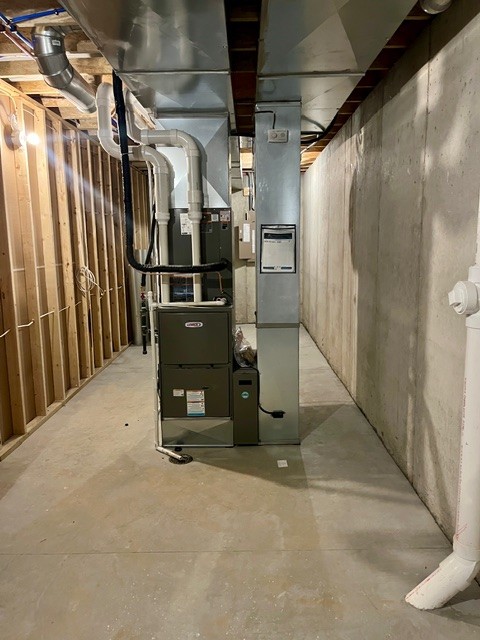
Every Sappington visit includes a safety-first inspection. Our technician tests for carbon monoxide, examines the heat exchanger, checks the burners and flame, and confirms the furnace is venting properly. Only then do we move on to the specific problem you called about.
We explain everything clearly and without technical jargon. If we find a safety issue, we will show you what we found and talk through your options honestly. If the furnace is in good shape apart from one worn part, we will tell you that too.
We finish by running the furnace through a full cycle and rechecking carbon monoxide levels. You will know exactly where your system stands.
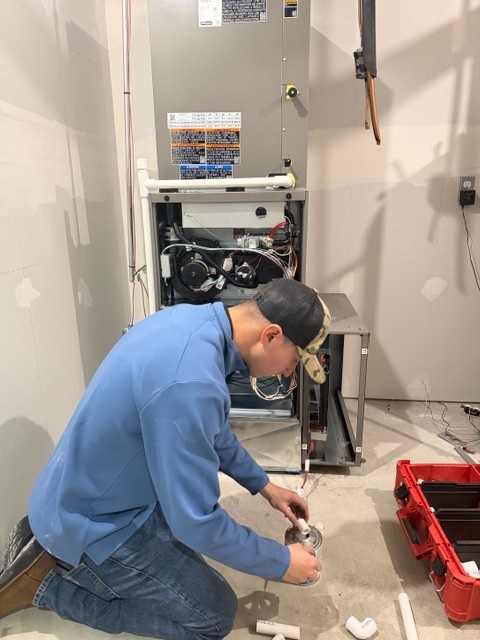
Jim called us in early December after noticing a yellow, flickering flame through the small window on his furnace. He and his wife have lived in their Sappington ranch home for more than thirty years, and the furnace had been running since the early 2000s. The house was warm, but the flame did not look right to him.
Our tech found the burners partly clogged with rust flakes and dust, which was starving the flame of air. He tested for carbon monoxide around the furnace and found levels slightly elevated near the unit. He inspected the heat exchanger closely and, thankfully, found no cracks.
He removed and cleaned the burners, cleared the debris, and adjusted the gas pressure. When he fired it back up, the flames burned a steady, clean blue. A final carbon monoxide test came back normal, and Jim was glad he had trusted his instincts and called.
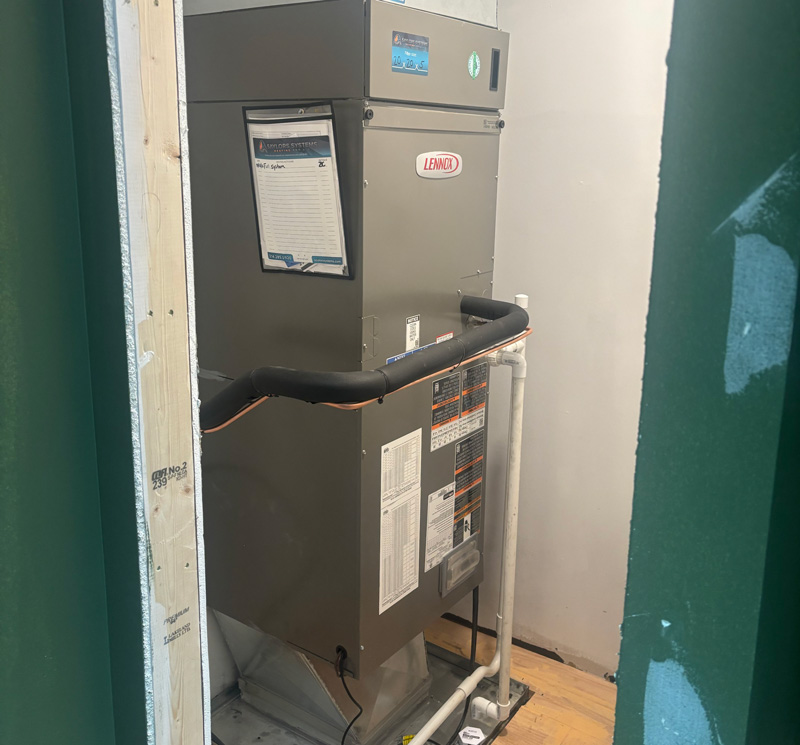
When it comes to an older furnace, you want a technician who is careful and honest. That is the standard Austin and Danielle Saylors set from day one.
Call us when your furnace needs attention, and we will take good care of you.
A yellow or flickering flame often means dirty burners or poor combustion. Have it checked soon.
It is a crack in the part that separates combustion gases from your home’s air. It is a safety concern that needs attention.
Once a year is a good rule, ideally in the fall before heavy use.
Yes. Every home with a gas furnace should have working CO detectors on each level.
Often, yes. We will check its condition and safety and give you an honest recommendation.